Differentiation Strategies
-
Why I Use Disruption Cards in My Gifted Classroom
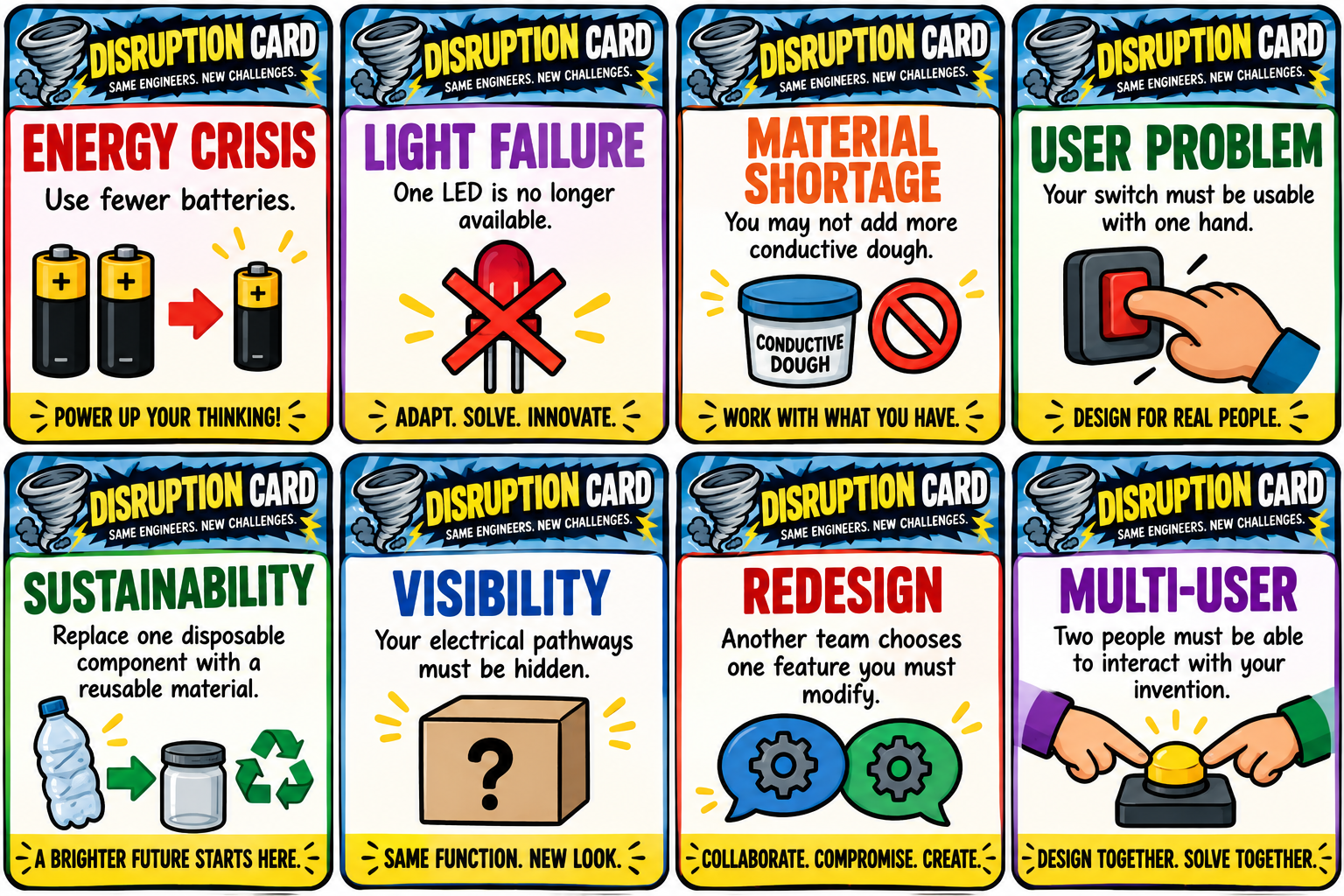
Disruption Cards add unexpected constraints to STEM challenges, pushing gifted students beyond simply “getting it right” and into deeper problem solving. By changing materials, requirements, or design conditions mid-project, students practice flexibility, perseverance, systems thinking, debugging, and evidence-based redesign. Instead of rescuing students when something goes wrong, teachers guide them with questions that encourage productive…
-
The Goal Is Not the Marble: How Turing Tumble Builds Productive Struggle
By Beth Smith, M. Ed.. | #smithingifted A student releases the first marble. It rolls down the board, hits a ramp, changes direction—and completely misses the path the student expected it to take. The student looks at the board. Then at me. Then back at the board. “It didn’t work.” This is the moment when…
-
When Marbles Become Code: Using Turing Tumble in the Gifted Classroom
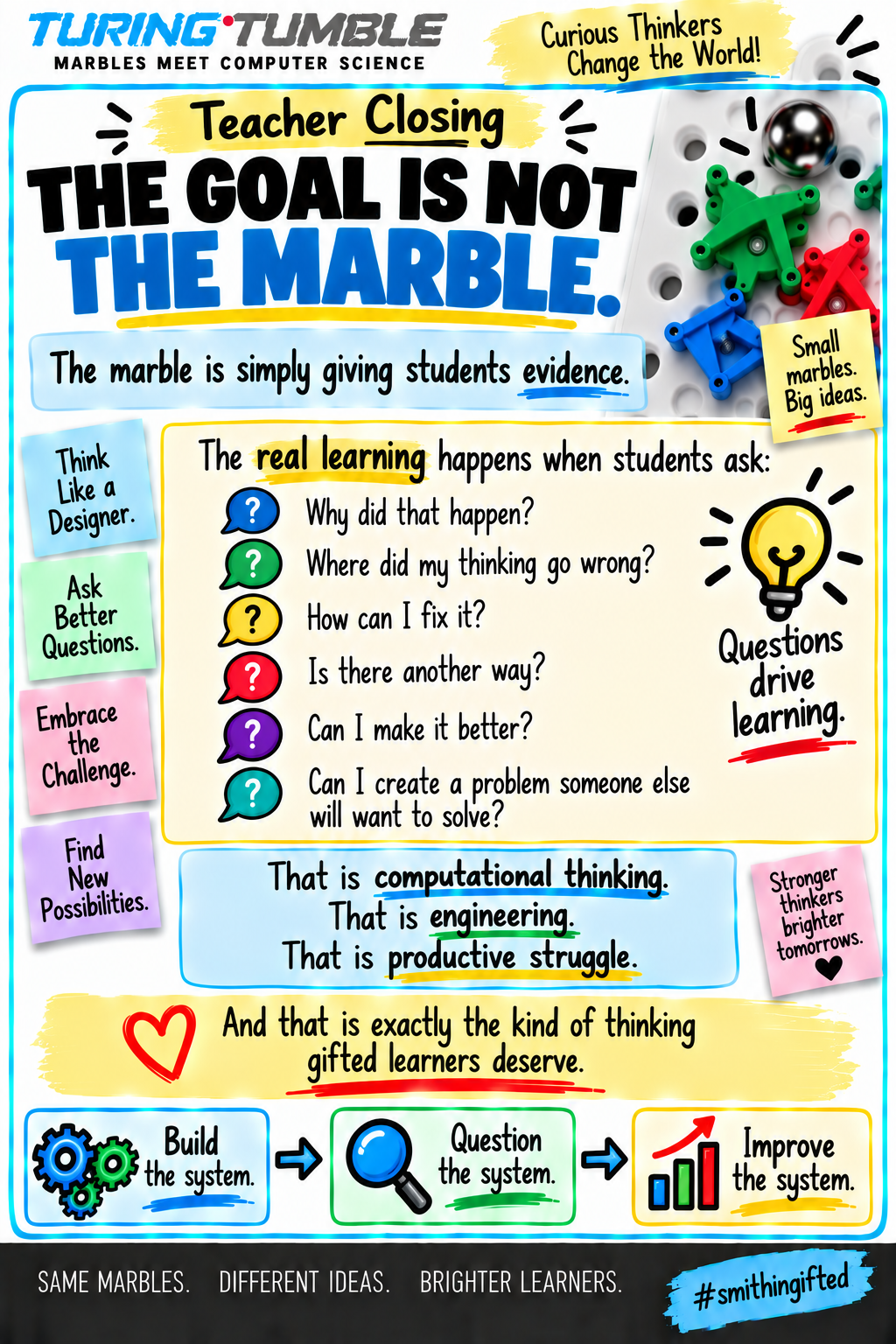
By Beth Smith, M. Ed. | #smithingifted There is something pretty magical about watching a student stare at a board full of ramps, gears, and marbles and suddenly announce: “WAIT! I know why it isn’t working!” That moment is exactly why I love Turing Tumble for gifted learners. At first glance, Turing Tumble looks like…
-
🤖 AI Detectives: Teaching Gifted Students to Think With AI—Not Surrender Their Thinking to It
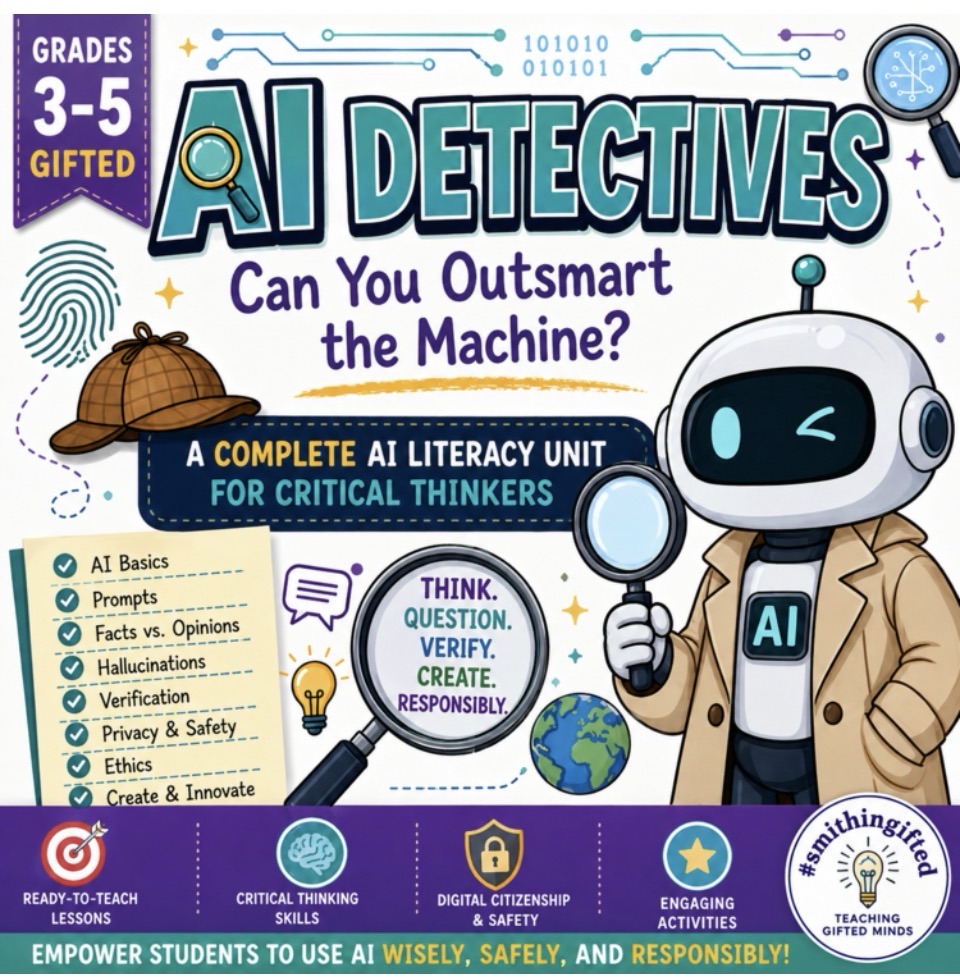
By Beth Smith, M. Ed. | #smithingifted Artificial intelligence is quickly becoming part of the world our students live in. They can ask AI to explain a math problem, generate a story, brainstorm a science project, summarize information, create an image, or answer a research question in seconds. But there is one enormous problem: AI…
-
Sometimes the Best Learning Is Locked: Using Breakout EDU in Grades 3–8
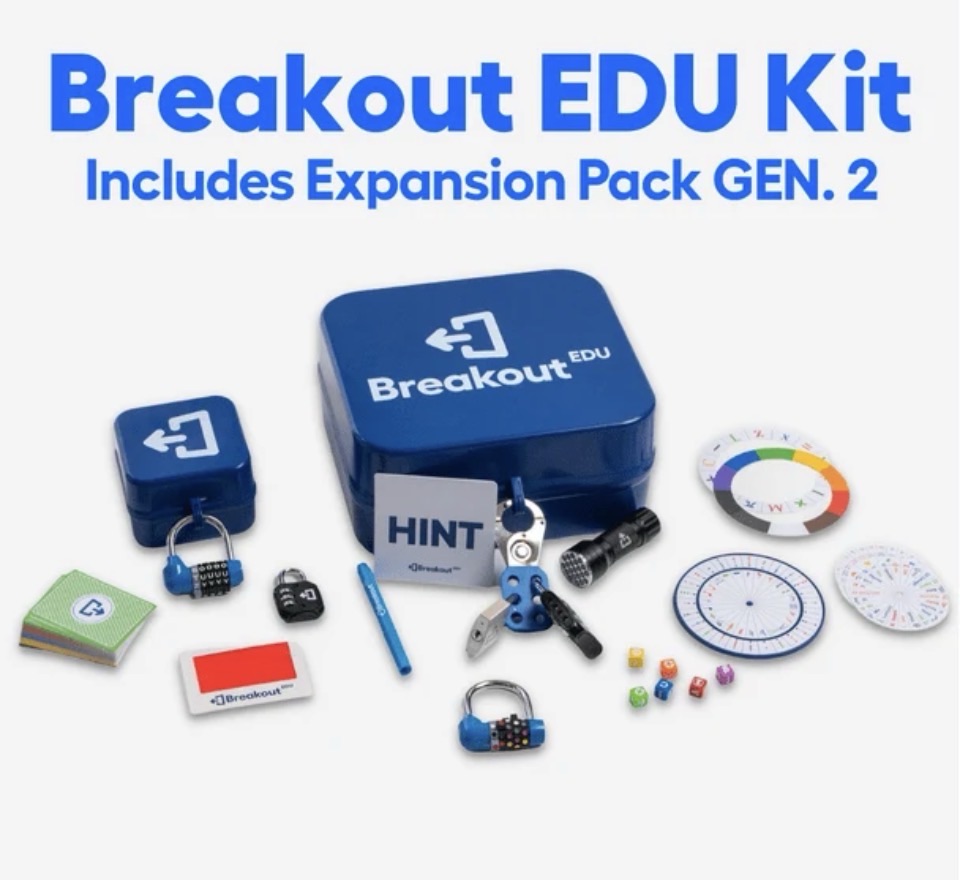
This blog post explores how Breakout EDU can transform grades 3–8 classrooms by turning academic content into engaging, collaborative problem-solving experiences. It highlights how Breakout EDU supports critical thinking, productive struggle, communication, perseverance, differentiation, and student reflection across subjects like math, reading, science, and social studies. The post also encourages teachers to move students from…
-
🇺🇸 More Than a Veterans Day Worksheet: Let Students Become Historians
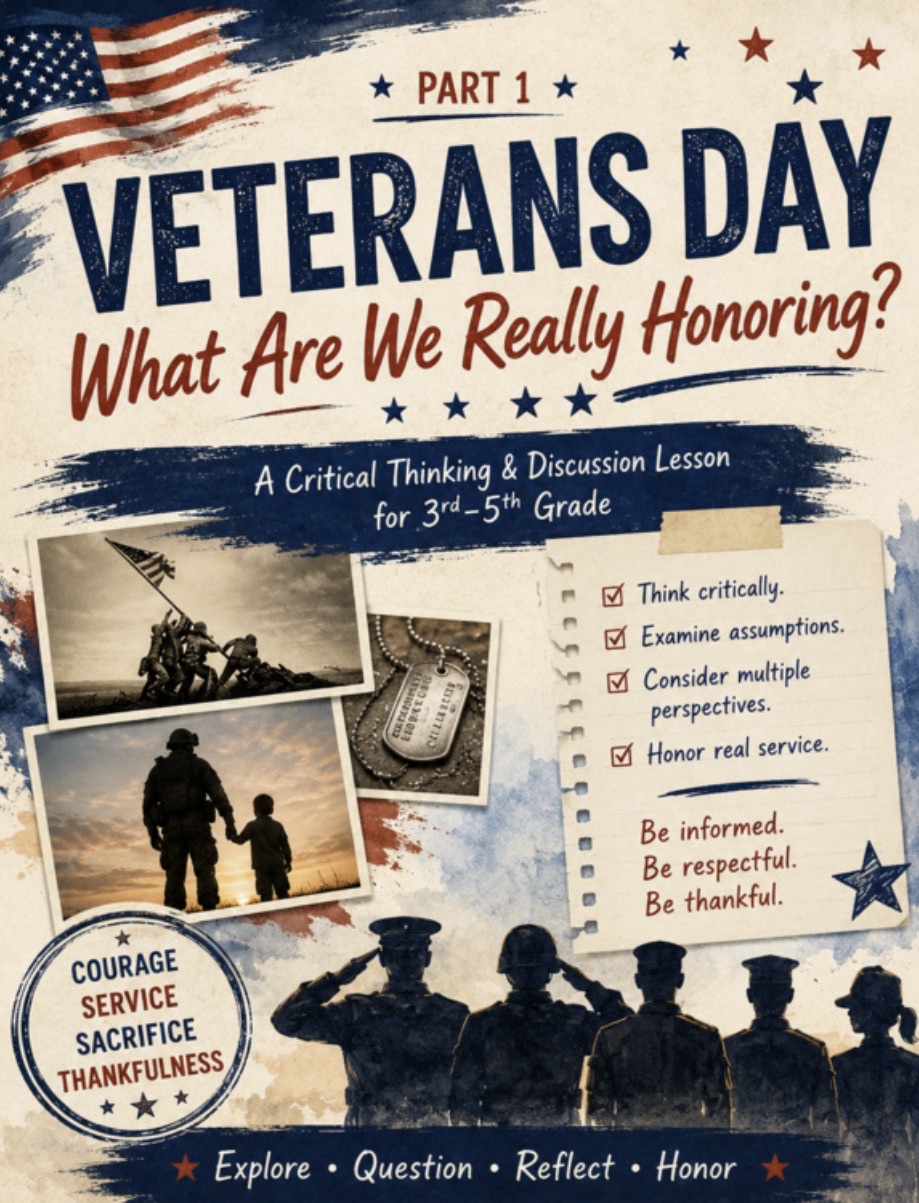
This Veterans Day critical thinking lesson for grades 3–5 helps students move beyond simply saying “thank you” and think more deeply about what it means to honor veterans. Students examine assumptions, consider multiple perspectives, reflect on courage, service, sacrifice, and thankfulness, and discuss how to show respect in meaningful ways. It’s a thoughtful way to…
-
🧠 #smithingifted Socratic Seminar: Step by Step
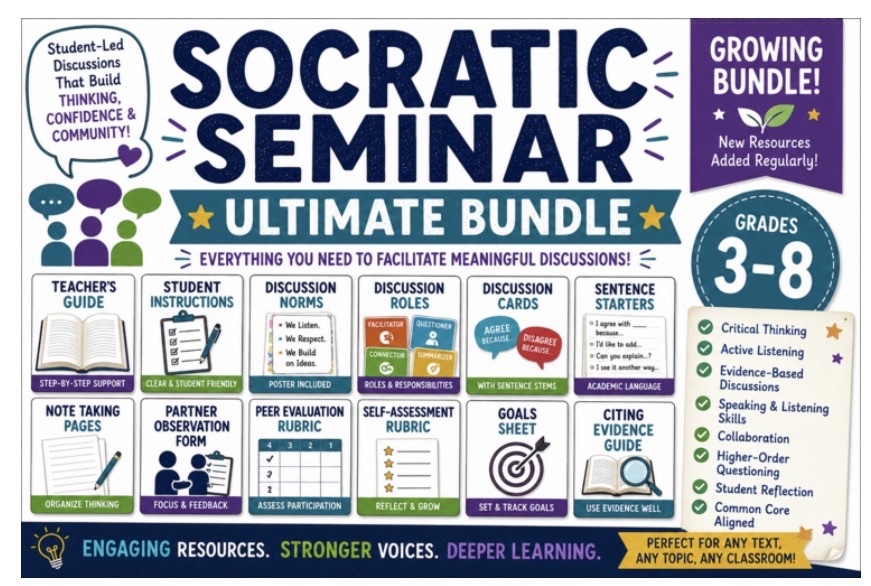
Beth Smith, M. Ed. | #smithingifted STEP 1: Choose a Question Worth Arguing About This is the most important step. Do not start with a question that has one obvious answer. Avoid: What did the character do? Instead, ask something like: Was the character’s decision justified? Is progress always an improvement? Which is more important:…
-
Stop Doing All the Talking: How to Use Socratic Seminar in the 3–8 Gifted Classroom
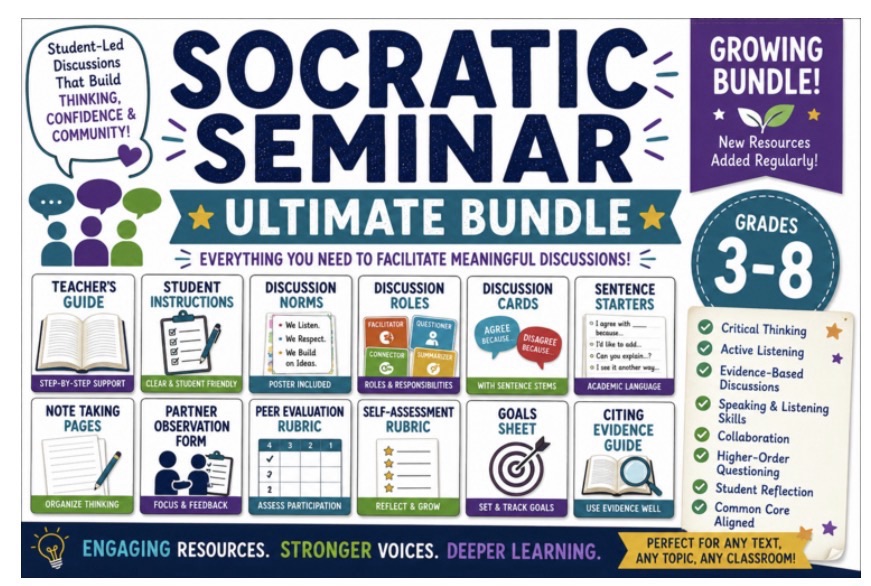
By Beth Smith, M. Ed. | #smithingifted One of the biggest shifts we can make in gifted education is surprisingly simple: Stop doing so much of the thinking for our students. Gifted students do not need a teacher standing at the front of the room explaining every idea, asking every question, and confirming every correct…
-
🧠 Why I Use Logic Problems With 3rd Grade Gifted Students
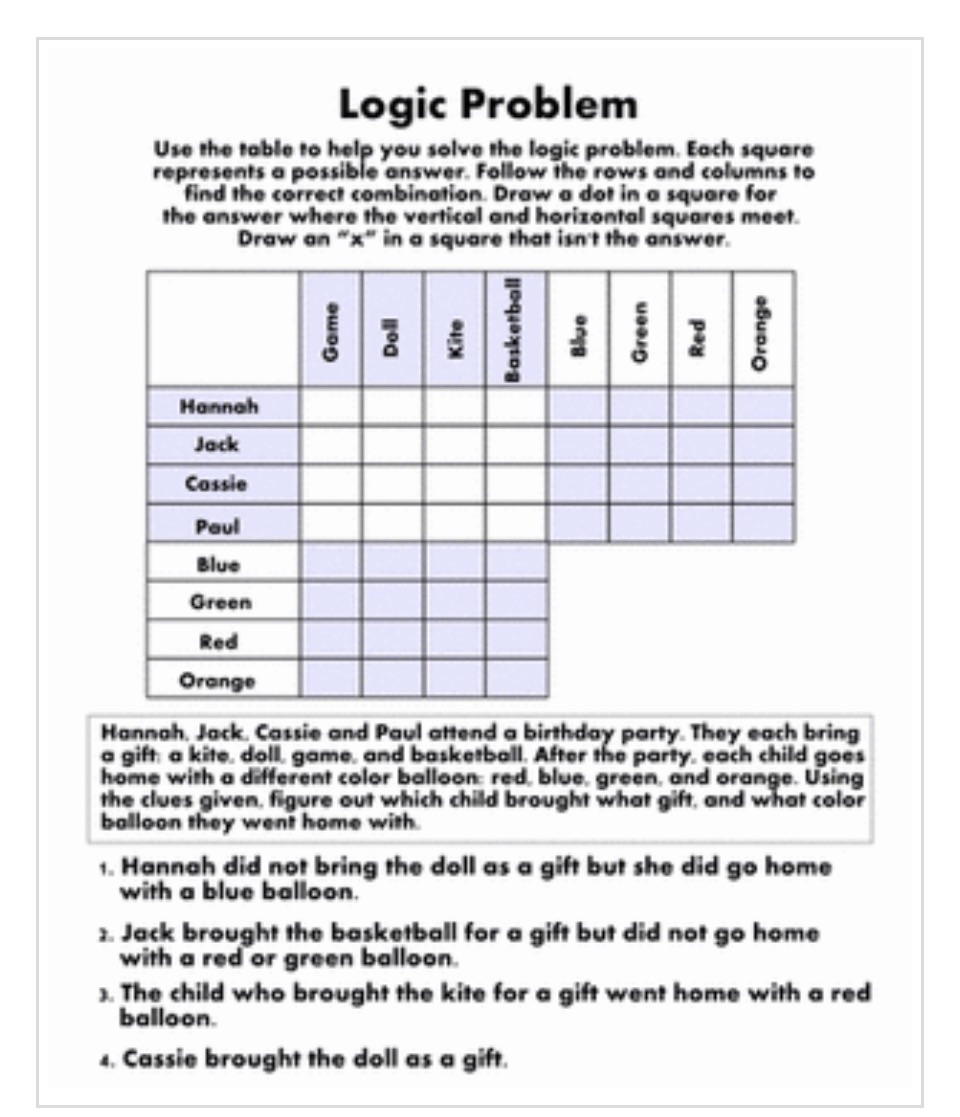
Logic problems help 3rd grade gifted students become more independent thinkers by strengthening deductive reasoning, persistence, and evidence-based thinking. Instead of waiting for the teacher to provide the next step, students learn to analyze clues, eliminate possibilities, revise their ideas, and prove their conclusions. The ultimate goal is not simply solving puzzles—it is developing confident,…
-
The Global Innovation Lab Is Coming to the NMAGT Fall Institute 2026 🌎💡
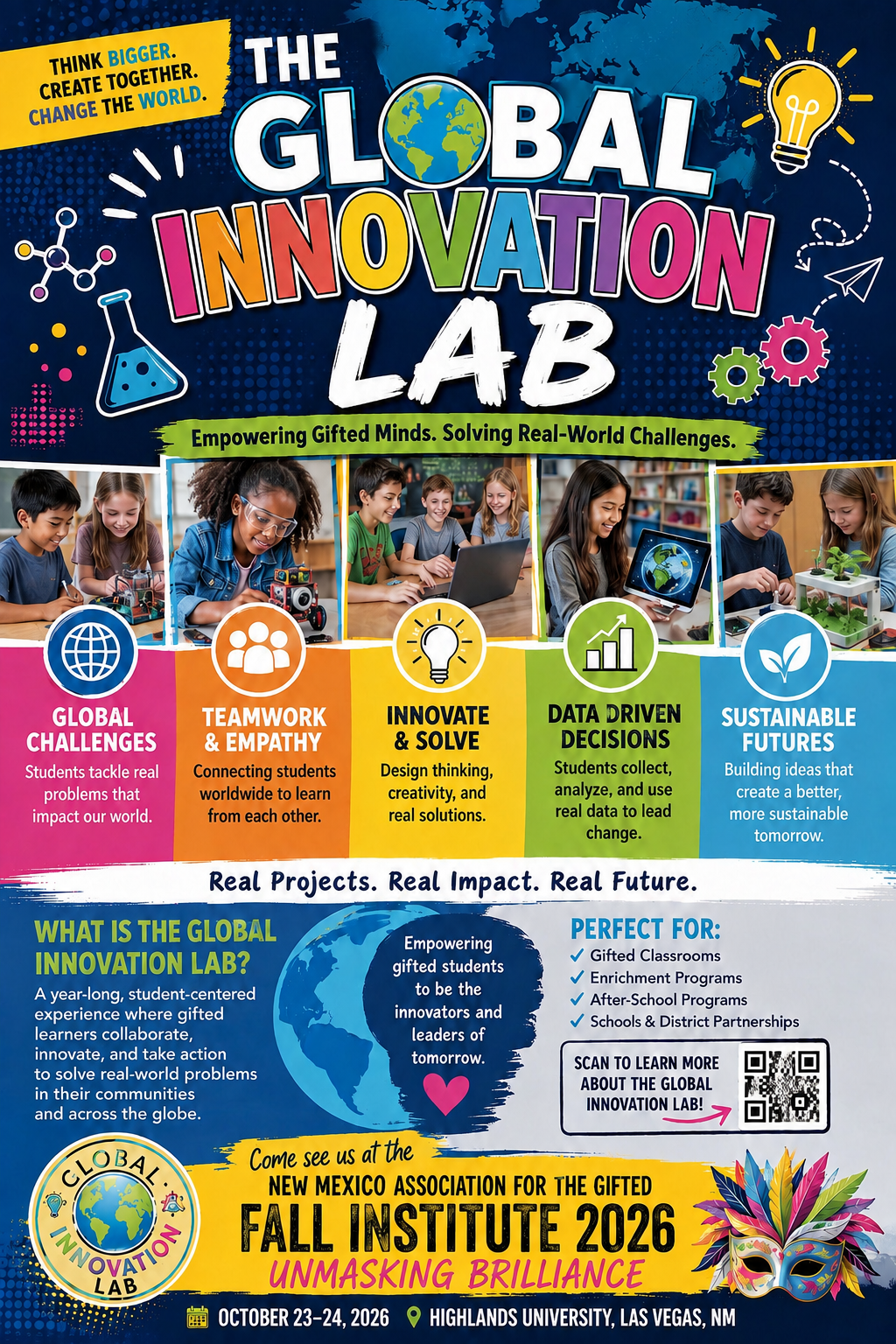
This blog post introduces The Global Innovation Lab, a student-centered learning experience designed to help gifted learners tackle real-world challenges through collaboration, creativity, design thinking, data analysis, and systems thinking. It also highlights the program’s upcoming appearance at the New Mexico Association for the Gifted Fall Institute 2026: Unmasking Brilliance, where educators can learn how…