STEM
-
Why I Use Disruption Cards in My Gifted Classroom
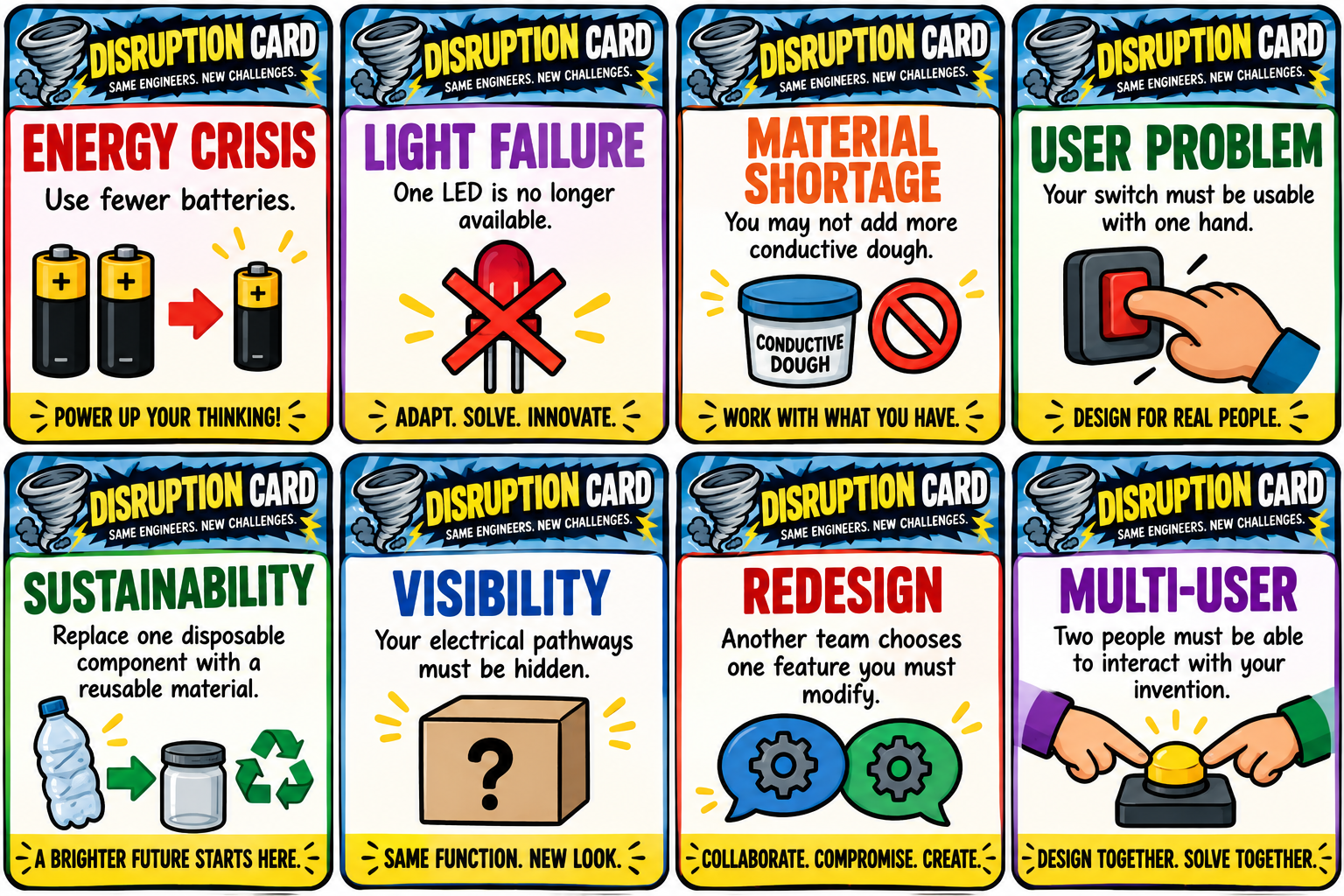
Disruption Cards add unexpected constraints to STEM challenges, pushing gifted students beyond simply “getting it right” and into deeper problem solving. By changing materials, requirements, or design conditions mid-project, students practice flexibility, perseverance, systems thinking, debugging, and evidence-based redesign. Instead of rescuing students when something goes wrong, teachers guide them with questions that encourage productive…
-
The Goal Is Not the Marble: How Turing Tumble Builds Productive Struggle
By Beth Smith, M. Ed.. | #smithingifted A student releases the first marble. It rolls down the board, hits a ramp, changes direction—and completely misses the path the student expected it to take. The student looks at the board. Then at me. Then back at the board. “It didn’t work.” This is the moment when…
-
Sometimes the Best Learning Is Locked: Using Breakout EDU in Grades 3–8
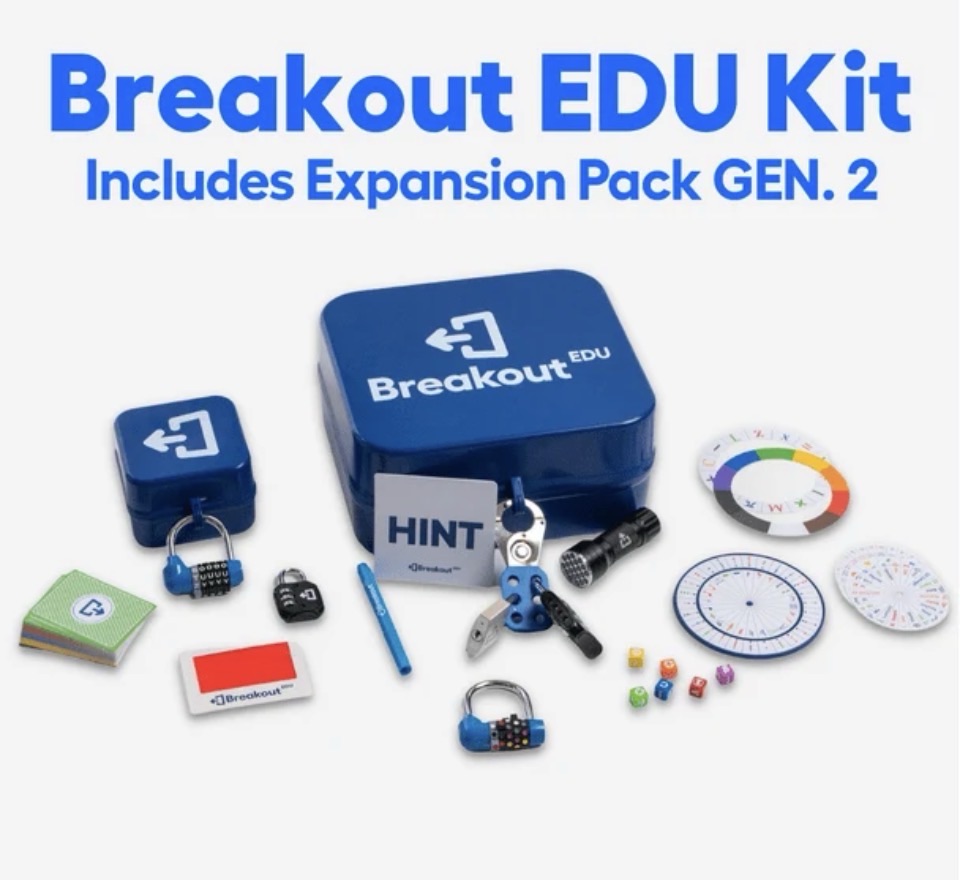
This blog post explores how Breakout EDU can transform grades 3–8 classrooms by turning academic content into engaging, collaborative problem-solving experiences. It highlights how Breakout EDU supports critical thinking, productive struggle, communication, perseverance, differentiation, and student reflection across subjects like math, reading, science, and social studies. The post also encourages teachers to move students from…
-
🧠 #smithingifted Socratic Seminar: Step by Step
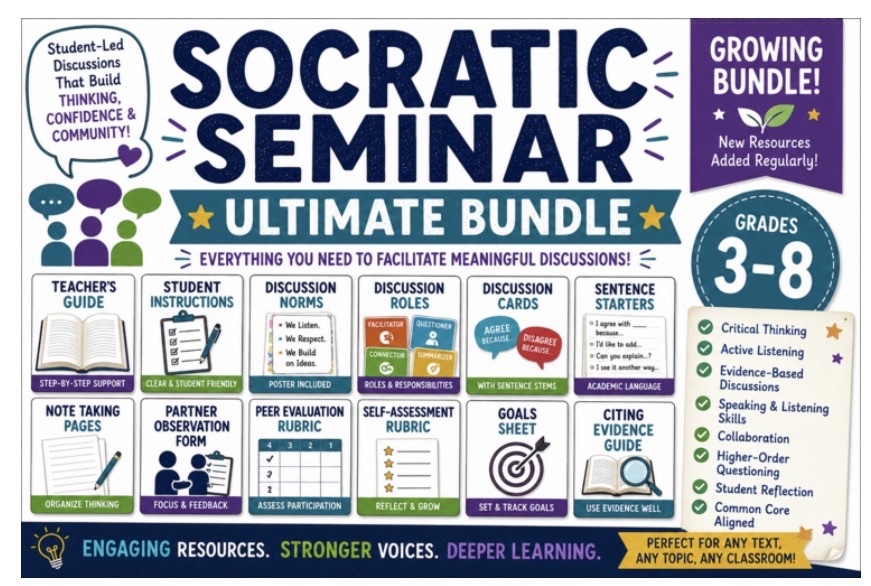
Beth Smith, M. Ed. | #smithingifted STEP 1: Choose a Question Worth Arguing About This is the most important step. Do not start with a question that has one obvious answer. Avoid: What did the character do? Instead, ask something like: Was the character’s decision justified? Is progress always an improvement? Which is more important:…
-
Every Drop Counts: Exploring New Mexico’s Water Resources in the Global Innovation Lab 💧🌵
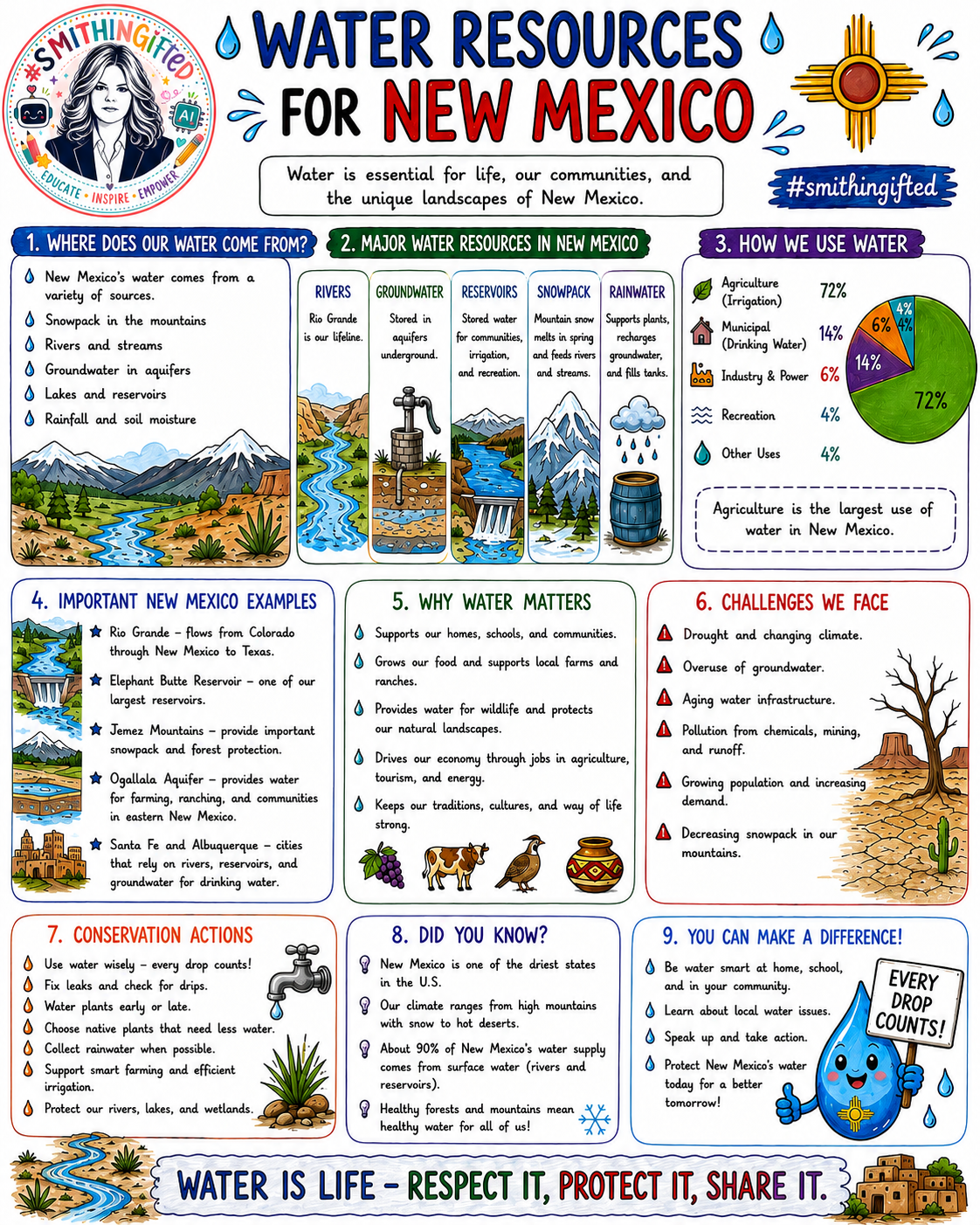
This blog post explores New Mexico’s water resources through The Global Innovation Lab’s Every Drop Counts challenge, helping students connect science, geography, agriculture, technology, law, and systems thinking. It also explains how the Texas v. New Mexico and Colorado Rio Grande case and the 2026 Supreme Court settlement affect groundwater use, farming, communities, industry, and…
-
I Never Want to Teach the Same Lesson Twice

This blog post explores how John Maxwell’s habit of collecting ideas has shaped the way I approach teaching. I am always looking for ways to improve my lessons—through professional learning, student feedback, travel, technology, and even observing how businesses like Disney, resorts, and shopping centers create meaningful experiences. I believe great teaching is never truly…
-
Snap Circuits Jr. in the Gifted Classroom: Where Curiosity Meets Circuitry ⚡🧠

Snap Circuits Jr. is more than a fun electronics kit—it’s a powerful tool for building critical thinking, problem solving, creativity, systems thinking, and perseverance in the gifted classroom. ⚡🧠 By moving students beyond simply following directions and challenging them to predict, troubleshoot, redesign, and invent their own circuits, teachers can transform hands-on STEM play into…
-
Gifted Doesn’t Always Look Like Straight A’s: When Bright Students Struggle in the Regular Classroom
This #smithingifted blog explores why gifted doesn’t always mean straight A’s. Gifted students may struggle with missing assignments, motivation, organization, perfectionism, or repetitive work even while demonstrating advanced thinking and creativity. The post encourages educators to look beyond grades and behavior to determine what students truly need. Gifted learners still need accountability—but they also need…
-
Beyond “More Work”: Using Depth & Complexity in the Gifted Classroom
This blog explores how Depth & Complexity prompts help gifted students move beyond basic recall to analyze patterns, perspectives, ethics, unanswered questions, and big ideas. It provides practical ways to incorporate deeper thinking into existing lessons without creating extra work or rewriting the curriculum.
-
Beyond the Textbook: Historical Investigation Projects in the Gifted Classroom

Historical investigation projects transform gifted classrooms into thinking labs where students become historians, detectives, and researchers. By examining primary sources, comparing perspectives, evaluating credibility, and defending evidence-based conclusions, students develop critical-thinking skills that help them understand the past and navigate today’s competing claims.