gifted curriculum
-
Sometimes the Best Learning Is Locked: Using Breakout EDU in Grades 3–8
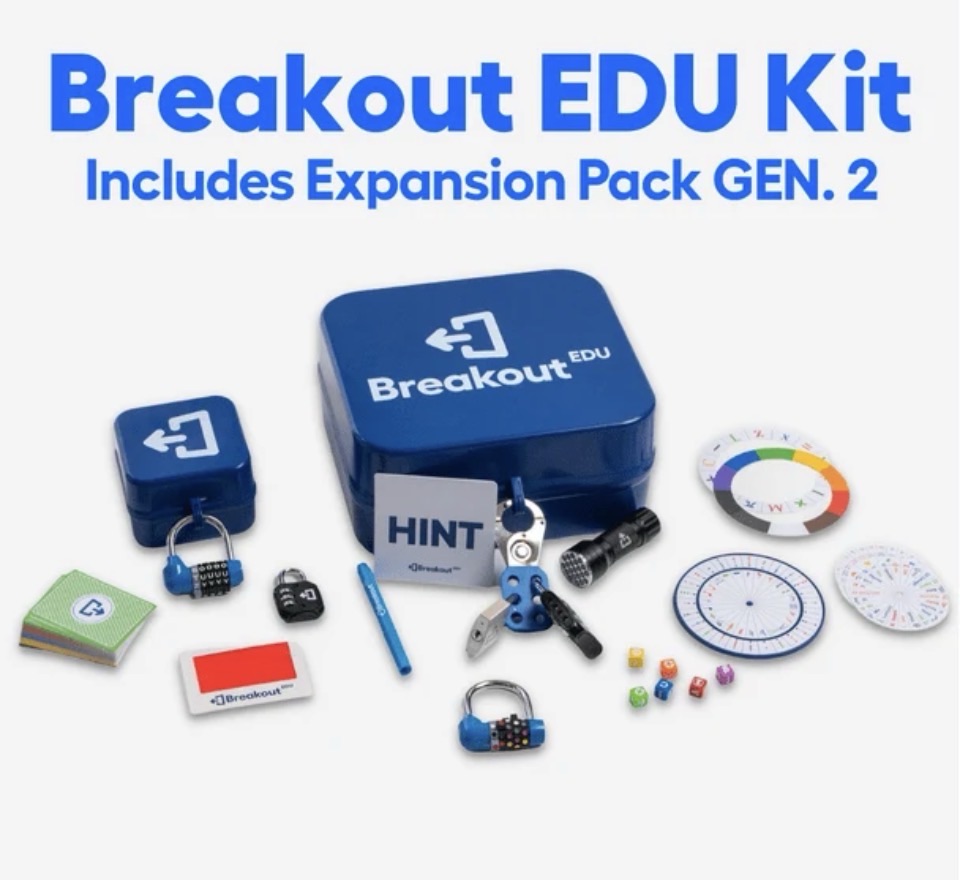
This blog post explores how Breakout EDU can transform grades 3–8 classrooms by turning academic content into engaging, collaborative problem-solving experiences. It highlights how Breakout EDU supports critical thinking, productive struggle, communication, perseverance, differentiation, and student reflection across subjects like math, reading, science, and social studies. The post also encourages teachers to move students from…
-
Every Drop Counts: Exploring New Mexico’s Water Resources in the Global Innovation Lab 💧🌵
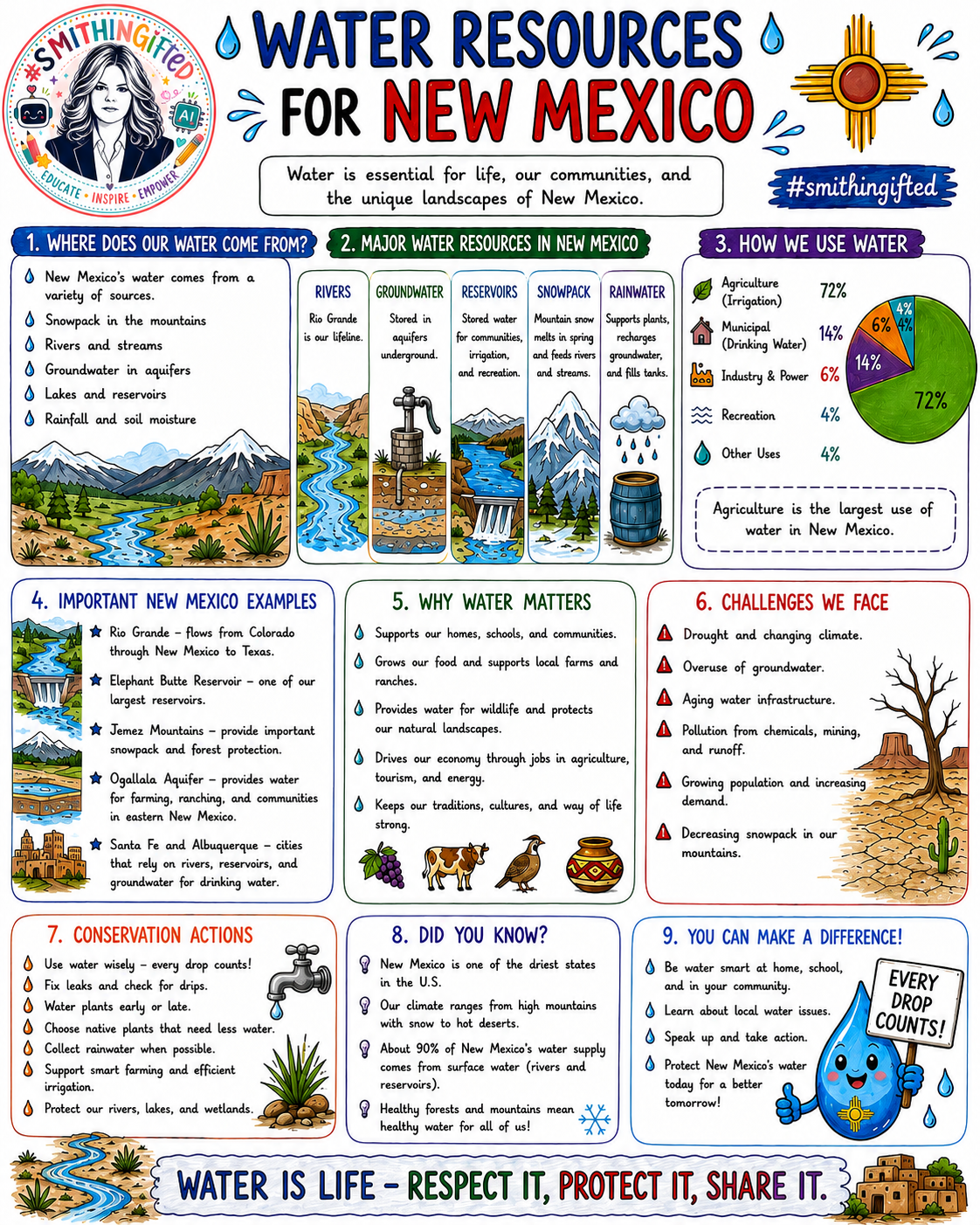
This blog post explores New Mexico’s water resources through The Global Innovation Lab’s Every Drop Counts challenge, helping students connect science, geography, agriculture, technology, law, and systems thinking. It also explains how the Texas v. New Mexico and Colorado Rio Grande case and the 2026 Supreme Court settlement affect groundwater use, farming, communities, industry, and…
-
How Socratic Seminars Turn Classroom Conversations Into Deeper Learning

Socratic Seminars help students become stronger thinkers, listeners, and communicators by encouraging evidence-based discussion, respectful disagreement, and deeper questioning. This blog explores practical ways to use Socratic Seminars across subjects and introduces the #smithingifted Socratic Seminar Ultimate Growing Bundle for grades 3–8.
-
🎯 John Hattie’s Visible Learning Research: What It Means for Gifted Students in Grades 3–5

🕵️ Self-Assessment is a powerful part of the Pattern Detective Thinking Lab because it helps gifted learners reflect on their own growth. Instead of focusing only on getting the correct answer, students evaluate how well they identified patterns, explained their reasoning, created original patterns, and taught their thinking to others. By setting goals and recognizing…
-
🕵️ Pattern Detectives: Building the Thinking Skills Gifted Learners Need

🕵️ Pattern Detectives transforms gifted readiness into an exciting mystery-solving adventure! Designed for K–2 students, this engaging #smithingifted Thinking Lab helps children develop pattern recognition, logical reasoning, and critical thinking through hands-on challenges instead of traditional test prep. Students become detectives as they uncover hidden rules, predict what comes next, create their own patterns, and…
-
Designing for Depth: Using Big Ideas to Build Complex, Challenging Curriculum

-
Adding Turing Tumble to the #smithingifted Curriculum
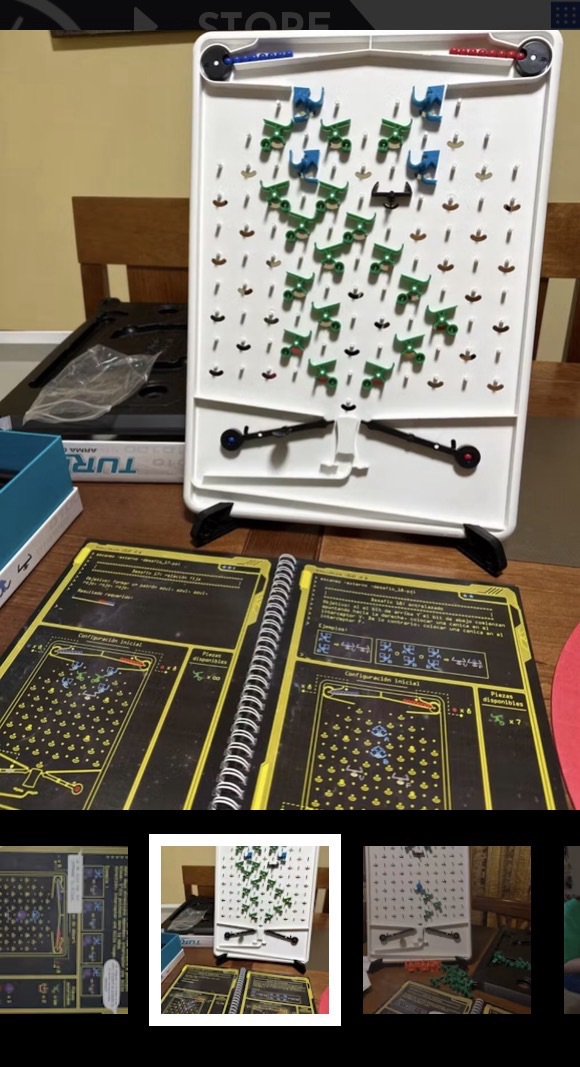
I am adding Turing Tumble to the fourth nine weeks of each year in the #smithingifted curriculum as a hands-on computational thinking milestone. Students work through twelve Google Sheets across 3rd, 4th, and 5th grade, and Turing Tumble gives them something exciting to look forward to while reinforcing logic, perseverance, debugging, and problem-solving.