#CriticalThinking
-
🌬️ From Wind to Work: Building the TeacherGeek Wind Lift 2.0 in the Gifted Classroom

Building the TeacherGeek Wind Lift 2.0 transforms wind energy into a hands-on engineering challenge in the #smithingifted classroom. Students build a working wind-powered lifting system, trace how energy moves from wind to blades to rotation and lift, and then test its performance using real data. By changing variables such as blade number, size, angle, and…
-
#smithingifted Teacher Lab: Where Teaching Ideas Get Tested
The #smithingifted Teacher Lab is a place where teaching ideas move from theory into real classrooms. I’ll share the successes, challenges, surprises, and adjustments that come from using gifted education, STEM, robotics, technology, and creative-thinking strategies with real students. But the Teacher Lab isn’t just about my classroom—teachers who use #smithingifted curriculum can share their…
-
Why I Start Gifted Class with the BreakoutEDU Puzzle of the Day 🔐🧠

This blog post explains how using the BreakoutEDU Puzzle of the Day at the beginning of gifted class helps students build critical thinking, problem-solving, perseverance, collaboration, and flexible thinking. These quick puzzles encourage productive struggle, curiosity, pattern recognition, and deeper reasoning while also giving teachers valuable insight into how students approach challenges. It’s a simple…
-
💧 From Data to Innovation: The Every Drop Counts Google Sheet

What if a Google Sheet could move students from researching global water problems to thinking like Water Systems Engineers? See how the Every Drop Counts KPI Tracker helps gifted students compare countries, analyze inequities, uncover patterns, and turn real-world data into evidence-based innovation.
-
Why I Use Disruption Cards in My Gifted Classroom
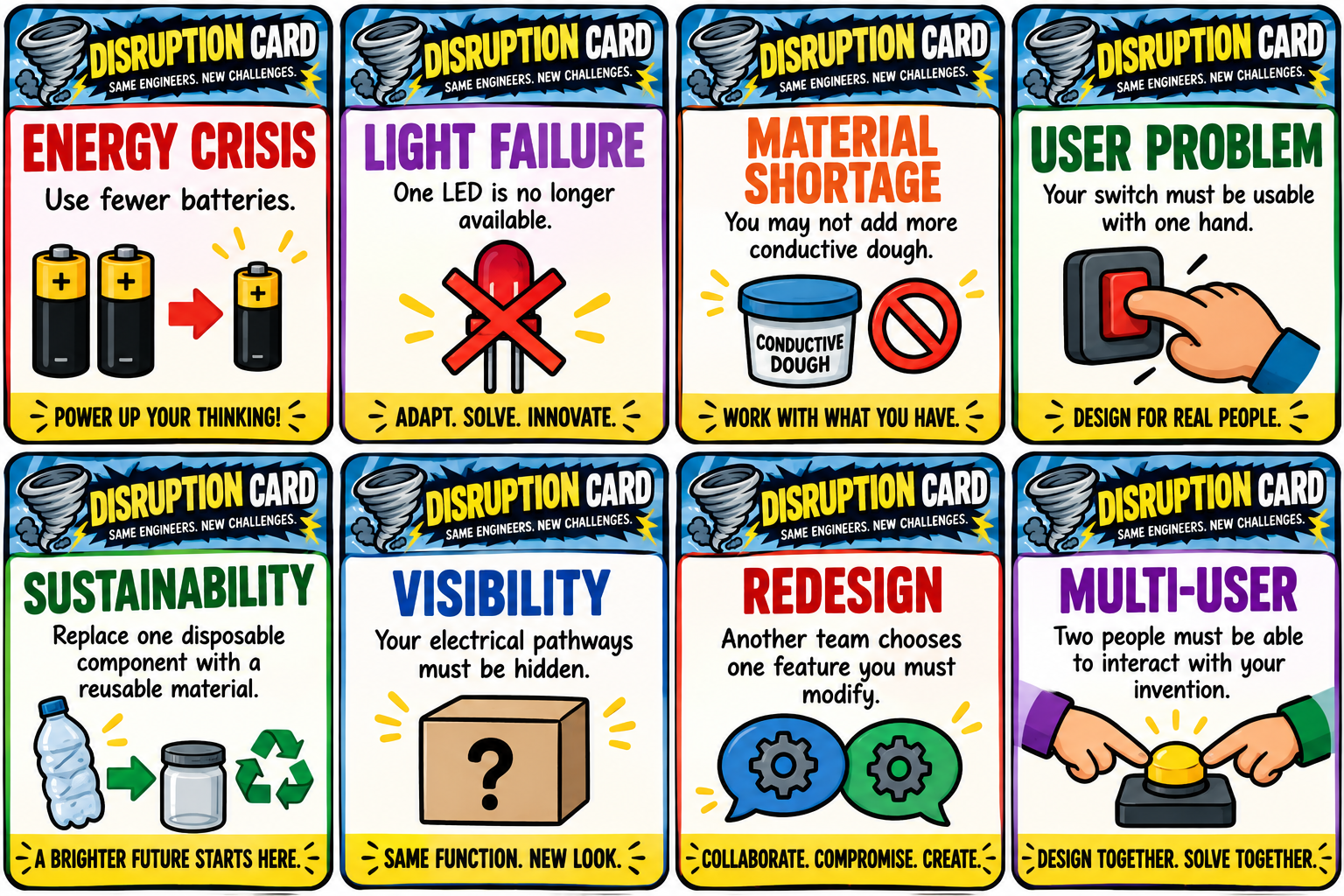
Disruption Cards add unexpected constraints to STEM challenges, pushing gifted students beyond simply “getting it right” and into deeper problem solving. By changing materials, requirements, or design conditions mid-project, students practice flexibility, perseverance, systems thinking, debugging, and evidence-based redesign. Instead of rescuing students when something goes wrong, teachers guide them with questions that encourage productive…
-
The Goal Is Not the Marble: How Turing Tumble Builds Productive Struggle
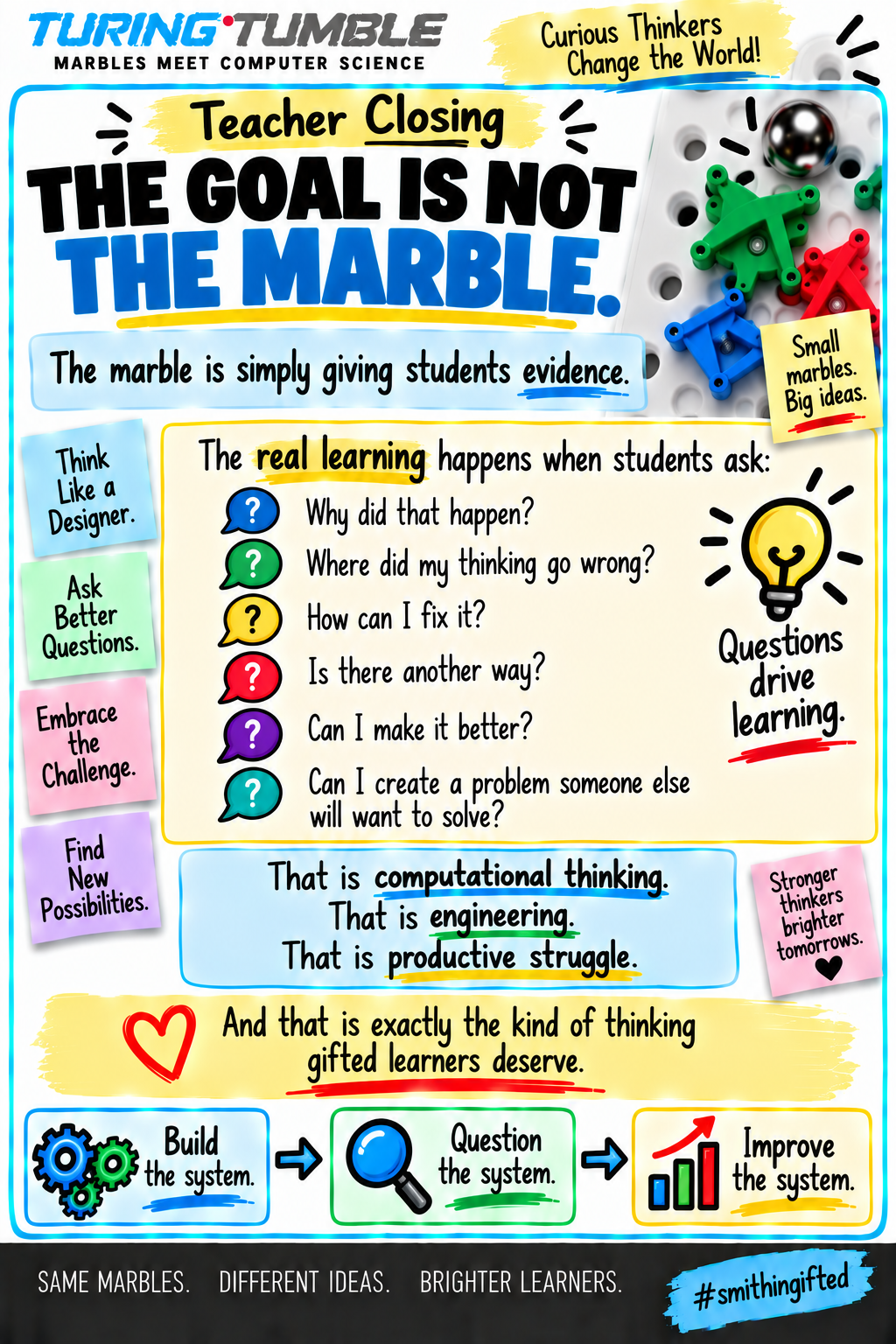
By Beth Smith, M. Ed.. | #smithingifted A student releases the first marble. It rolls down the board, hits a ramp, changes direction—and completely misses the path the student expected it to take. The student looks at the board. Then at me. Then back at the board. “It didn’t work.” This is the moment when…
-
🤖 AI Detectives: Teaching Gifted Students to Think With AI—Not Surrender Their Thinking to It
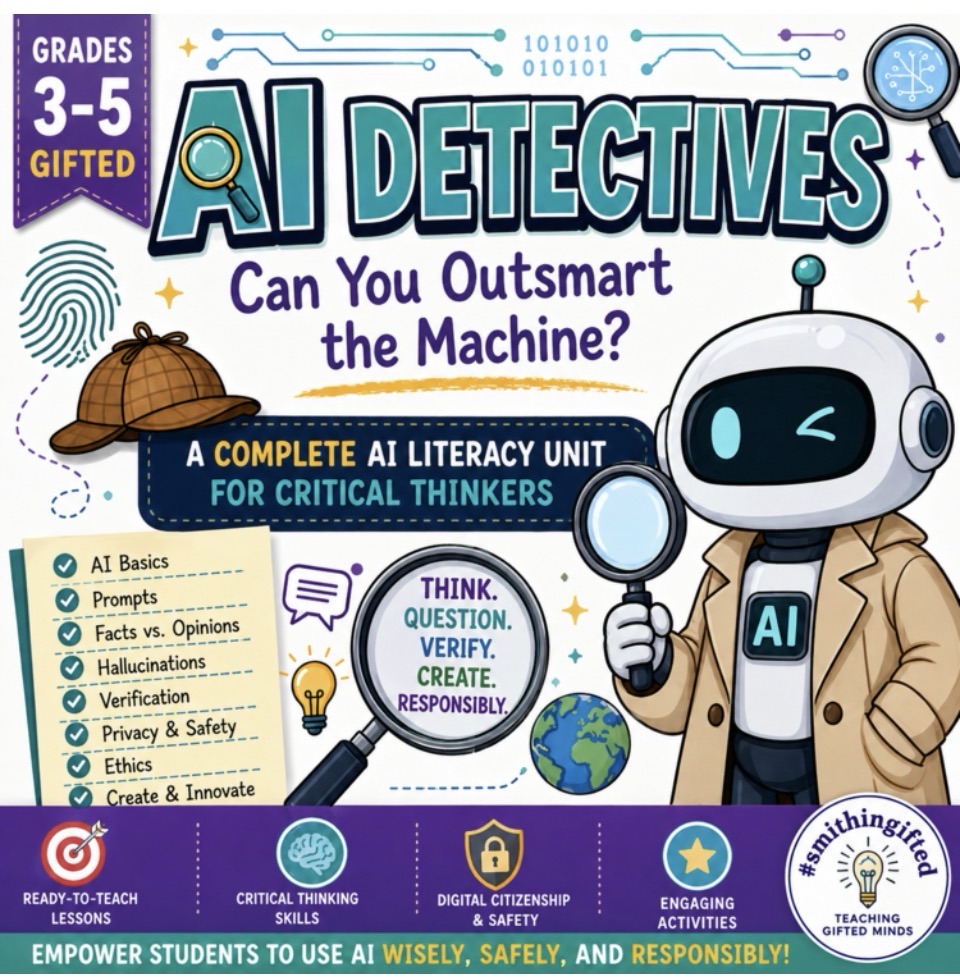
By Beth Smith, M. Ed. | #smithingifted Artificial intelligence is quickly becoming part of the world our students live in. They can ask AI to explain a math problem, generate a story, brainstorm a science project, summarize information, create an image, or answer a research question in seconds. But there is one enormous problem: AI…
-
Sometimes the Best Learning Is Locked: Using Breakout EDU in Grades 3–8
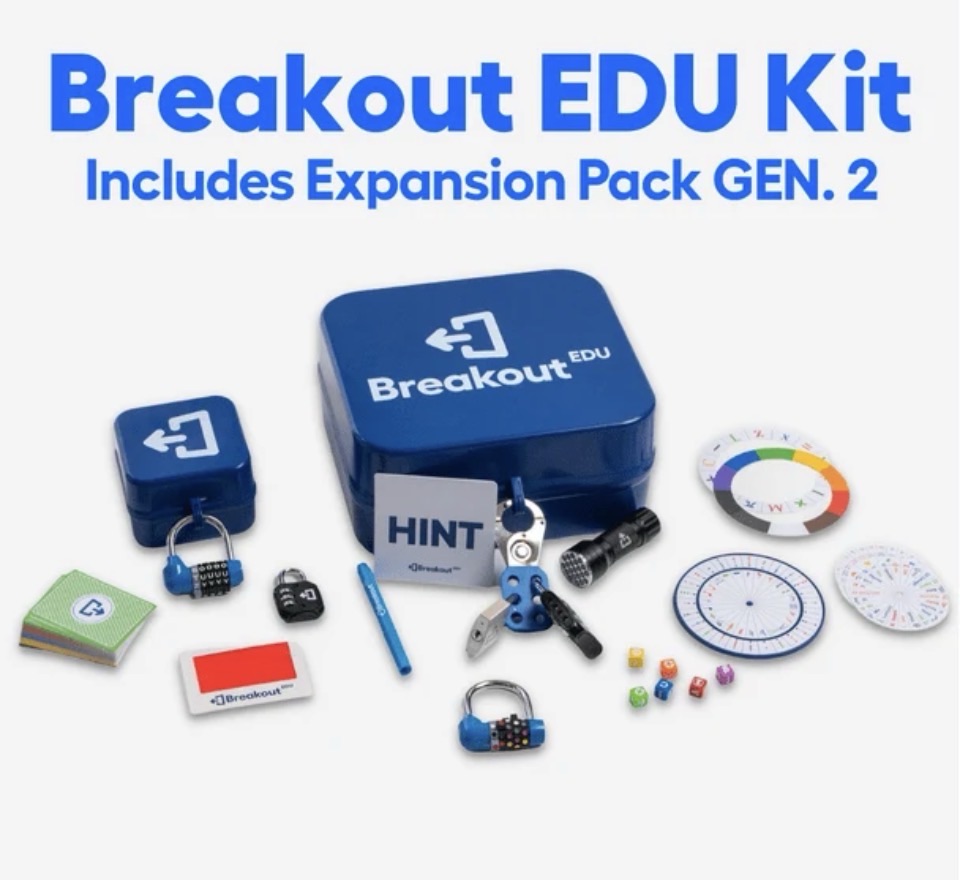
This blog post explores how Breakout EDU can transform grades 3–8 classrooms by turning academic content into engaging, collaborative problem-solving experiences. It highlights how Breakout EDU supports critical thinking, productive struggle, communication, perseverance, differentiation, and student reflection across subjects like math, reading, science, and social studies. The post also encourages teachers to move students from…
-
Teaching September 11 Twenty-Five Years Later: An Oral History Project for Grades 3–6

The 25th anniversary of September 11 offers a meaningful opportunity to help students understand history through the voices of people who experienced it. The 9/11 25th Anniversary Oral History Project for Grades 3–6 invites students to interview a trusted adult, explore firsthand perspectives, compare 2001 to today, and think critically about memory, evidence, and change…
-
Stop Doing All the Talking: How to Use Socratic Seminar in the 3–8 Gifted Classroom
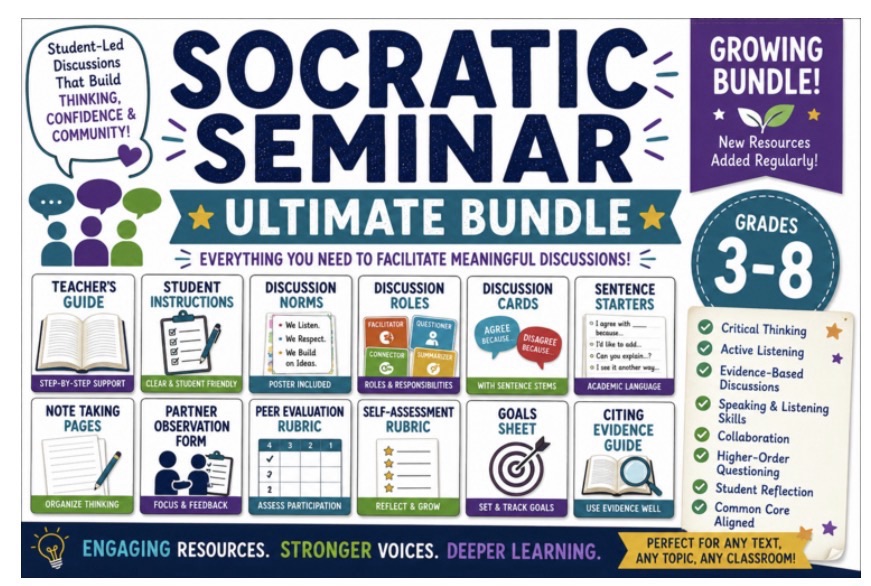
By Beth Smith, M. Ed. | #smithingifted One of the biggest shifts we can make in gifted education is surprisingly simple: Stop doing so much of the thinking for our students. Gifted students do not need a teacher standing at the front of the room explaining every idea, asking every question, and confirming every correct…