Teaching Strategies
-
Socratic Seminars for 3–5th Grade Gifted Students
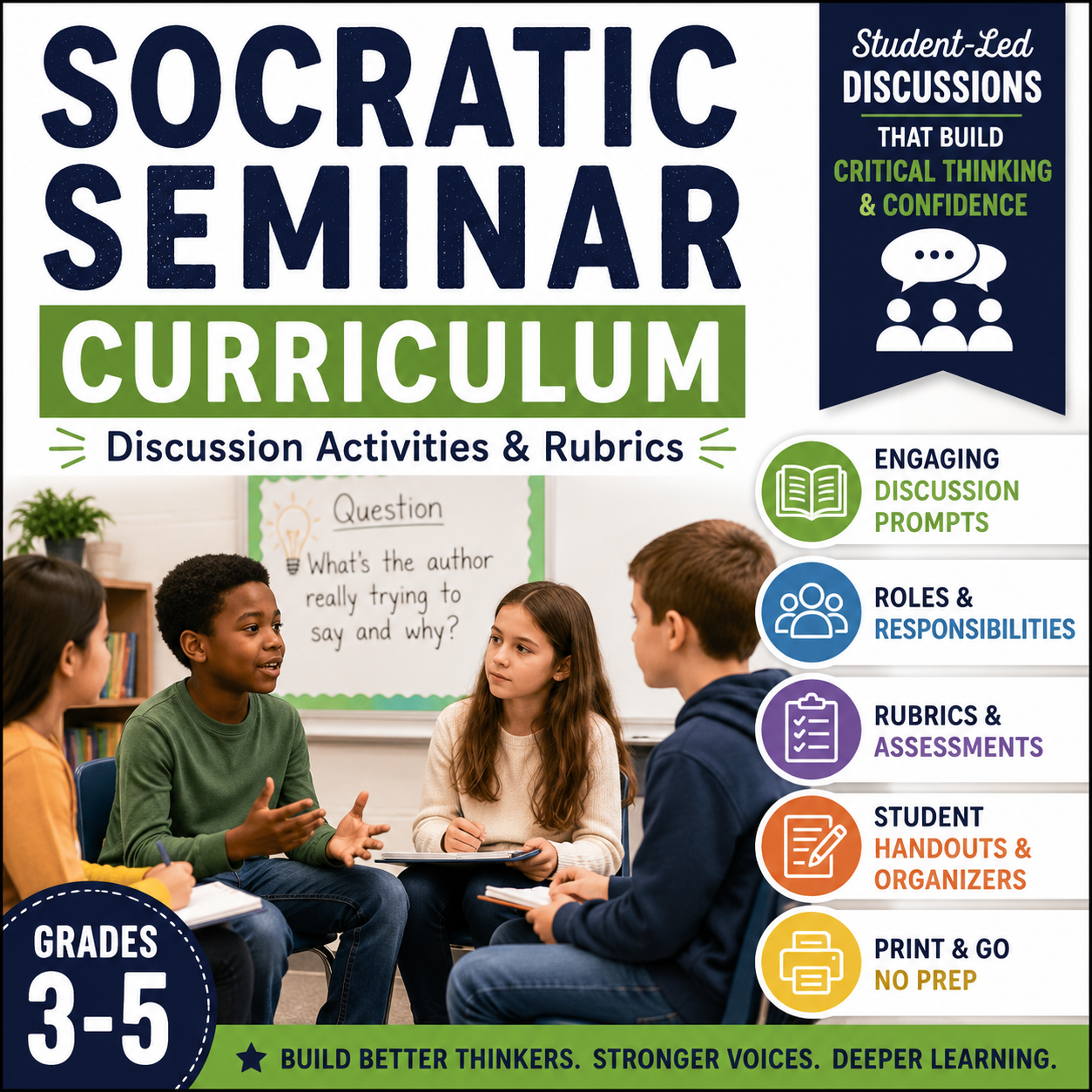
Socratic Seminars help gifted students move beyond simply finding the right answer to asking deeper questions, defending their thinking with evidence, and respectfully engaging with different perspectives. In this post, discover practical strategies for implementing meaningful Socratic Seminars in a 3rd–5th grade gifted classroom while fostering critical thinking, collaboration, communication, and student-led discussion. 📚💬✨
-
The Benefits of Google Suite in the Gifted Classroom

-
🎯 John Hattie’s Visible Learning Research: What It Means for Gifted Students in Grades 3–5

🕵️ Self-Assessment is a powerful part of the Pattern Detective Thinking Lab because it helps gifted learners reflect on their own growth. Instead of focusing only on getting the correct answer, students evaluate how well they identified patterns, explained their reasoning, created original patterns, and taught their thinking to others. By setting goals and recognizing…
-
Why I Love Teaching the Hero’s Journey in Gifted Education

-
Why I Grade Student Assignments in #smithingifted — Even When They Don’t Go on a Report Card
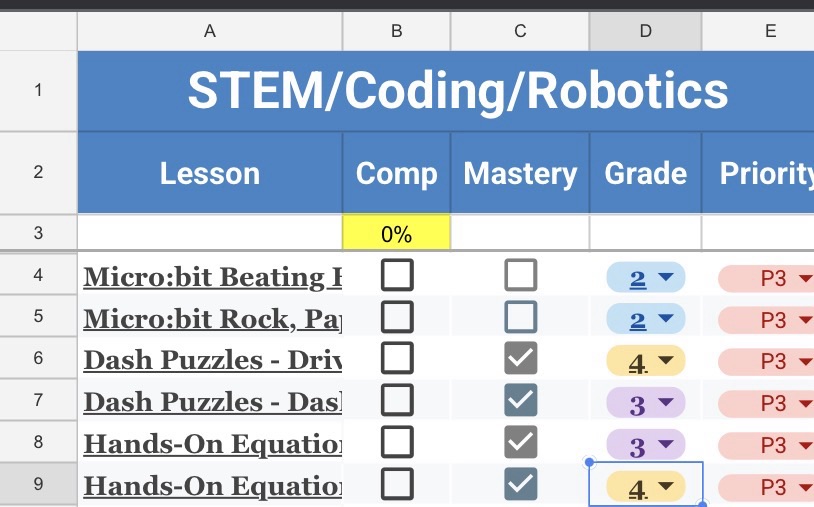
In this #smithingifted blog post, I explain why I grade gifted student assignments even though they do not appear on a traditional report card. My simple 1–4 grading system helps students understand expectations, gives meaningful feedback, creates accountability, and provides clear documentation for progress reports. For gifted teachers, this system makes it easier to track…
-
Welcome to #smithingifted: Where Gifted Learners Think Bigger, Create More, and Lead the Way
#smithingifted is a resource space for gifted teachers who want more than basic enrichment. Created by gifted educator Beth Smith, #smithingifted focuses on rigorous, creative, and ready-to-use resources for gifted and high-ability learners, especially in STEM, robotics, coding, design thinking, student choice, and real-world problem solving. From classroom projects to innovation challenges, these resources are…
-
FarmBeats for Students: Classroom Ag with micro:bit — Growing Innovation Through the Global Innovation Lab
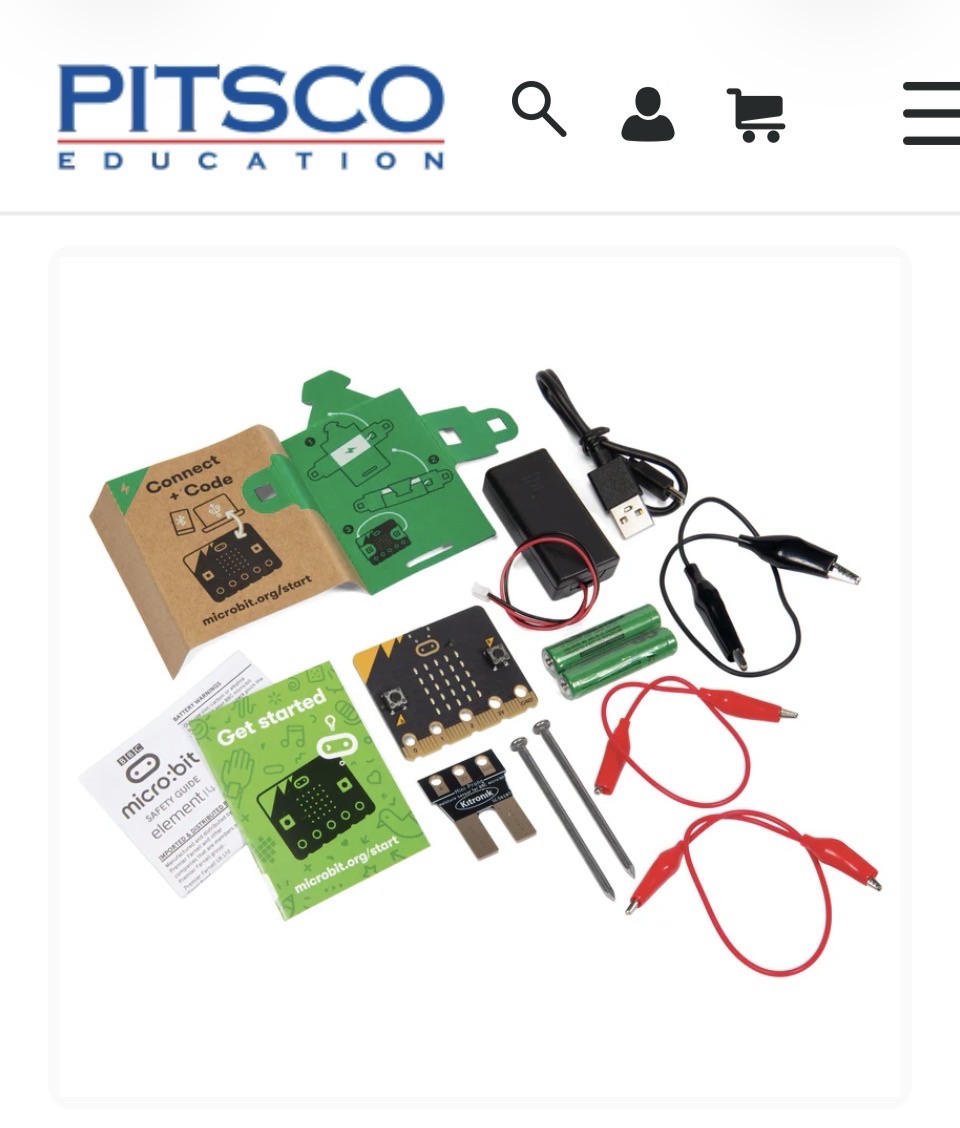
This blog post explores how FarmBeats for Students: Classroom Ag with micro:bit can support the Global Innovation Lab by connecting coding, agriculture, water conservation, and real-world problem solving. Through micro:bit sensors and hands-on investigations, students can collect data on soil moisture, plant growth, and water use while designing solutions to grow plants more efficiently. This…
-
Making Algebra Click: Using Hands-On Equations in the 3rd–5th Grade Gifted Classroom

Hands-On Equations gives 3rd–5th grade gifted students a concrete, visual way to build early algebraic thinking. Through manipulatives, balance models, math talk, and self-paced challenges, students learn to solve equations, explain their reasoning, and develop confidence with complex problem-solving. It fits naturally into the #smithingifted curriculum by supporting differentiation, mastery, badges, and deeper mathematical thinking.
-
Finding Professional Development That Actually Works for the 3–5 Gifted Classroom 🚀

This blog post shares my love for finding meaningful professional development for the 3rd–5th grade gifted classroom. As a self-proclaimed PD junkie, I’m always looking for fresh ideas that support STEM, coding, robotics, maker education, creativity, and real-world problem solving. One of my favorite PD resources is Infosys Pathfinders, a free platform that offers valuable…
-
Global Innovation Lab Update: We’re Building Something Bigger Than One Classroom 🌎🚀

This blog post gives an update on the Global Innovation Lab and how it is moving from an idea into a real educator community. It explains that the first phase is focused on recruiting interested educators, building connections, creating a global map, and preparing for the first challenge: Every Drop Counts: Designing Solutions for a…