By Beth Smith, M. Ed. | #smithingifted
One of the things I love most about professional development is finding learning experiences that do not just give me “one more activity,” but actually help me build something bigger for my students. That is exactly why I am excited about FarmBeats for Students: Classroom Ag with micro:bit, a hands-on Pathfinders Summer Institute professional development session taught by CodeJoy.

This PD connects so many of the things I already value in my gifted classroom: coding, real-world problem solving, STEM, sustainability, student choice, data, and innovation. Even better, it directly supports the work we are building through The Global Innovation Lab.
What is FarmBeats for Students?
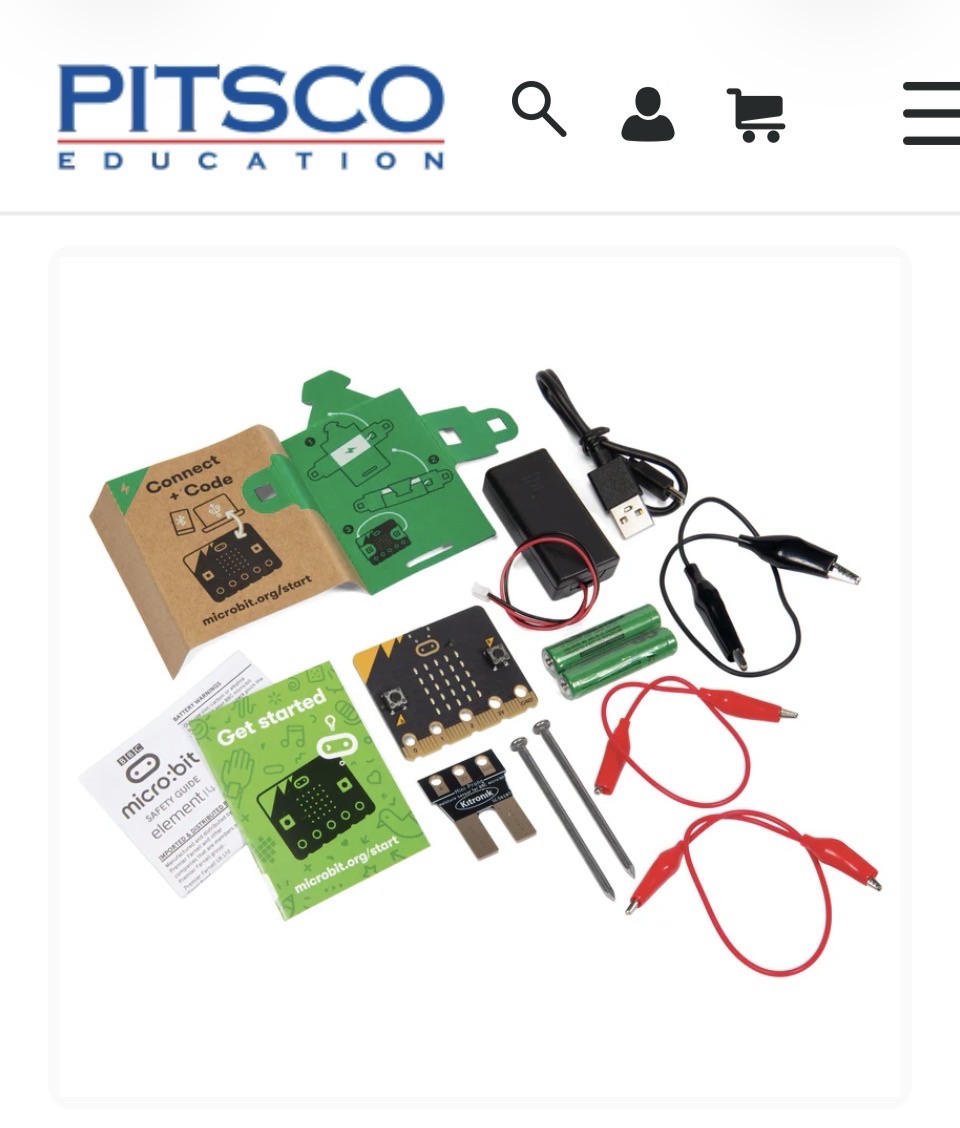
FarmBeats for Students: Classroom Ag with micro:bit is a hands-on learning experience where teachers explore how to use micro:bits and agriculture-related sensors, such as soil moisture sensors, to help students collect real-world data about plants, water, and growing conditions.
Instead of using the micro:bit only to make lights flash or display simple messages, students can use it as a tool for investigation. They can collect data, ask questions, test solutions, and make decisions based on evidence.
In other words, students are not just coding.
They are becoming scientists, engineers, farmers, designers, and problem solvers. 🌱
Why This Matters for the Global Innovation Lab
The Global Innovation Lab is all about connecting students across classrooms, communities, and countries to solve real-world problems through creativity, collaboration, and innovation.
FarmBeats fits naturally into that mission.
Through this work, students could compare:
- water use
- soil moisture
- plant growth
- weather patterns
- irrigation methods
- local agriculture challenges
- conservation solutions
Imagine students in New Mexico comparing their soil moisture data with students in another state or country. Imagine students discussing why one region needs more water, why another region struggles with flooding, or how climate and geography impact agriculture.
That is the kind of authentic learning that makes the Global Innovation Lab powerful.
Students are not completing a worksheet just to turn it in. They are collecting real data, asking meaningful questions, and learning that their ideas can matter beyond the walls of their own classroom.
A Natural Fit for the Water Conservation Challenge
Our first Global Innovation Lab challenge focuses on water conservation, and FarmBeats connects beautifully to that theme.
Students can investigate a powerful question:
How can we grow plants while using less water?
That question opens the door to so many important conversations about:
- drought
- irrigation
- soil health
- water waste
- food production
- sustainability
- conservation
- technology in agriculture
Students can use micro:bit sensors to monitor soil moisture and begin thinking about how technology can help farmers, gardeners, and communities make better decisions about water use.
This is especially meaningful because water conservation is not just a faraway global issue. It is something that matters in our own communities, especially in places where drought, agriculture, and water access are real concerns.
Giving micro:bit a Real Purpose
I love using micro:bits because they are small, accessible, and powerful. But sometimes students see coding as just making something light up or move.
FarmBeats gives the micro:bit a much deeper purpose.
Students can use micro:bits to collect environmental data and answer real questions. They can see how coding connects to science, agriculture, engineering, and conservation.
That shift matters.
Instead of asking, “What does this button do?” students begin asking, “How can this tool help us solve a problem?”
That is exactly the kind of thinking I want to grow in my gifted classroom.
Gifted Differentiation and Student Choice
FarmBeats also offers so many opportunities for gifted differentiation.
Some students may begin by learning how to use the sensor and record basic soil moisture data. Other students may go deeper by designing experiments, comparing variables, creating graphs, building dashboards, or developing automated watering systems.
Students could investigate questions like:
- Which type of soil holds moisture the longest?
- How much water does a plant actually need?
- Can we design a system that waters only when the soil is dry?
- How does sunlight impact soil moisture?
- How do different plants respond to the same amount of water?
- How can we reduce water waste in a school garden or classroom growing system?
This creates natural levels of challenge. Students can enter the project at one level and then keep extending their thinking as they are ready.
That is a central focus of the #smithingifted curriculum: students working at their own pace, moving deeper when they are ready, and using creativity to show what they know.
The Power of the Friday Playgrounds
Another part of this PD that I am excited about is the Friday Playgrounds. These sessions provide time to experiment, troubleshoot, ask questions, and extend the learning.
That matters because hands-on STEM learning takes time.
Sometimes the code does not work the first time. Sometimes the sensor gives unexpected data. Sometimes the best ideas come after we have had time to play, test, fail, revise, and try again.
That is not a problem. That is the process.
The Friday Playgrounds create space for teachers to experience the same kind of learning we want for our students: curious, messy, creative, and full of problem solving.
How I Would Explain This to Another Teacher
FarmBeats for Students: Classroom Ag with micro:bit is a hands-on Pathfinders Summer Institute course taught by CodeJoy. Teachers learn how to use micro:bits and agriculture sensors, such as soil moisture sensors, to help students collect real-world data about plants, water, and growing conditions. The course connects coding, environmental science, agriculture, and problem solving. The Friday Playgrounds are additional live work sessions where participants can experiment, troubleshoot, ask questions, and extend their projects. This is a great fit for classrooms wanting to connect computer science with sustainability, water conservation, and project-based learning.
Bringing It Back to Students
For me, the biggest benefit of FarmBeats is that it helps students see technology as a tool for solving real problems.
They are not just learning to code because coding is important. They are learning to code because coding can help answer questions, conserve resources, grow food, and improve communities.
That is the kind of learning that sticks.
When students can connect micro:bit coding to agriculture, water conservation, and global collaboration, they begin to see themselves as innovators. They begin to understand that STEM is not just something that happens in a lab or a textbook. It happens in gardens, farms, classrooms, communities, and everyday life.
FarmBeats will be a powerful addition to the Global Innovation Lab because it gives students a meaningful way to investigate water use, collect data, compare results, and design solutions.
And honestly, that is the kind of learning experience our gifted students deserve.
They are ready to think bigger.
They are ready to create together.
They are ready to change the world.

