ELA & Writing
-
#smithingifted Teacher Lab: Where Teaching Ideas Get Tested

The #smithingifted Teacher Lab is a place where teaching ideas move from theory into real classrooms. I’ll share the successes, challenges, surprises, and adjustments that come from using gifted education, STEM, robotics, technology, and creative-thinking strategies with real students. But the Teacher Lab isn’t just about my classroom—teachers who use #smithingifted curriculum can share their…
-
✍️ When Messy Handwriting Meets a Gifted Brain: Why Cursive May Help

Gifted students often have ideas that move faster than their handwriting. For some students, cursive can help by making writing feel smoother, more rhythmic, and more automatic because letters connect instead of being formed one at a time. Cursive may also encourage students to slow down, notice patterns, and pay closer attention to letter formation.…
-
💧 From Data to Innovation: The Every Drop Counts Google Sheet
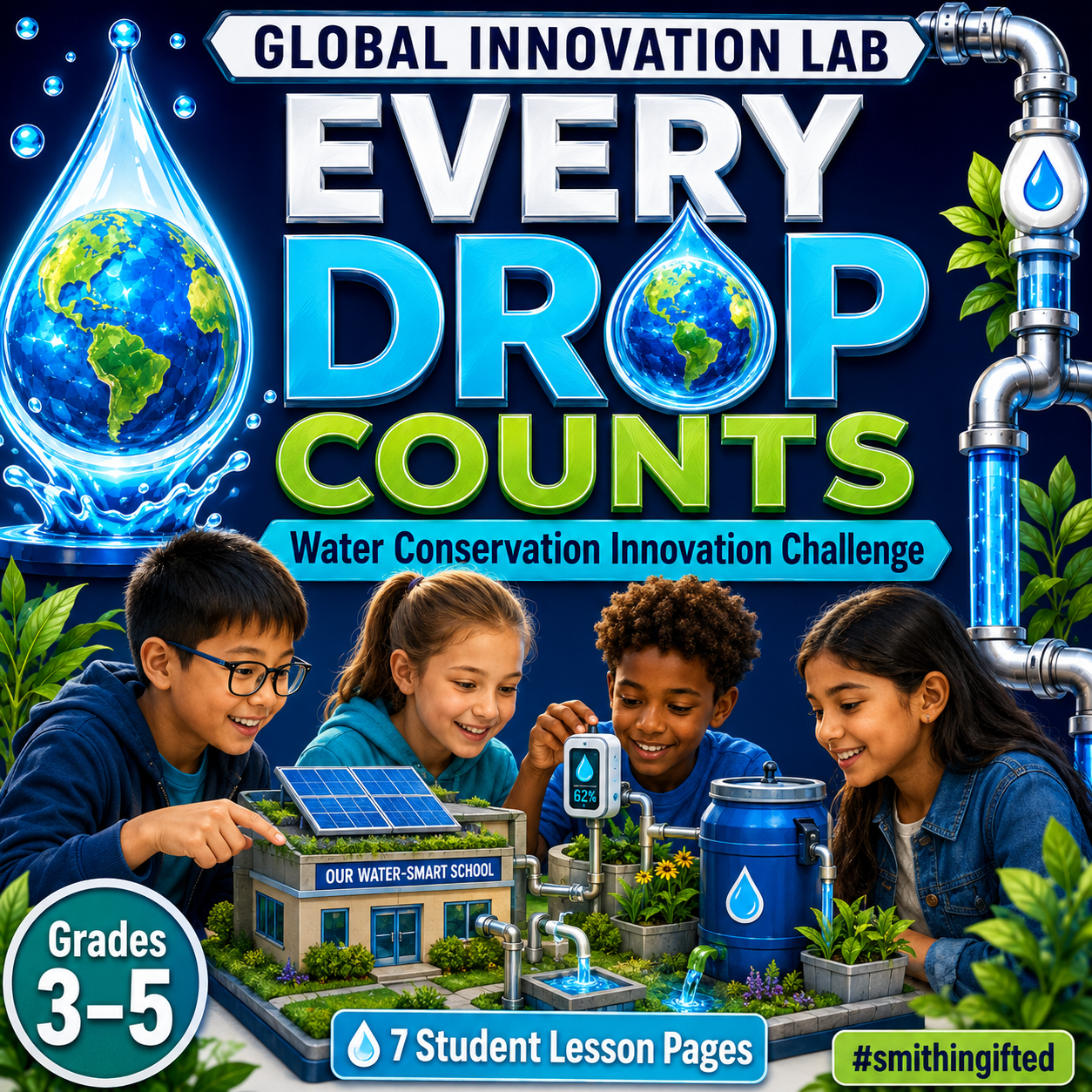
What if a Google Sheet could move students from researching global water problems to thinking like Water Systems Engineers? See how the Every Drop Counts KPI Tracker helps gifted students compare countries, analyze inequities, uncover patterns, and turn real-world data into evidence-based innovation.
-
Why Vocabulary Matters So Much in the 3rd–5th Grade Gifted Classroom

This blog post explains why vocabulary is essential in the 3rd–5th grade gifted classroom. Strong vocabulary helps students understand complex ideas, communicate with precision, make connections across subjects, and engage in higher-level thinking. Rather than memorizing long definitions, gifted students benefit from visual, interactive, and meaningful vocabulary instruction that encourages them to apply words in…
-
Teaching September 11 Twenty-Five Years Later: An Oral History Project for Grades 3–6

The 25th anniversary of September 11 offers a meaningful opportunity to help students understand history through the voices of people who experienced it. The 9/11 25th Anniversary Oral History Project for Grades 3–6 invites students to interview a trusted adult, explore firsthand perspectives, compare 2001 to today, and think critically about memory, evidence, and change…
-
🧠 #smithingifted Socratic Seminar: Step by Step
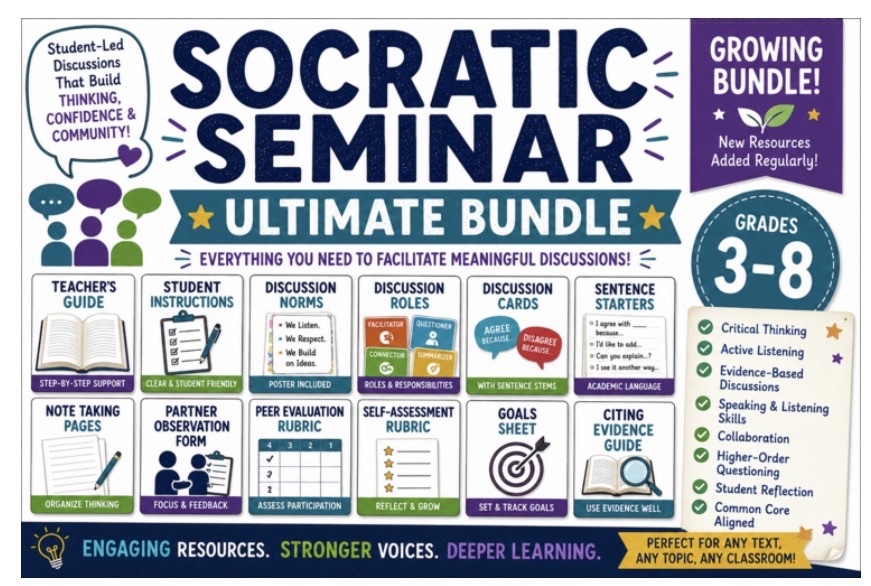
Beth Smith, M. Ed. | #smithingifted STEP 1: Choose a Question Worth Arguing About This is the most important step. Do not start with a question that has one obvious answer. Avoid: What did the character do? Instead, ask something like: Was the character’s decision justified? Is progress always an improvement? Which is more important:…
-
Stop Doing All the Talking: How to Use Socratic Seminar in the 3–8 Gifted Classroom
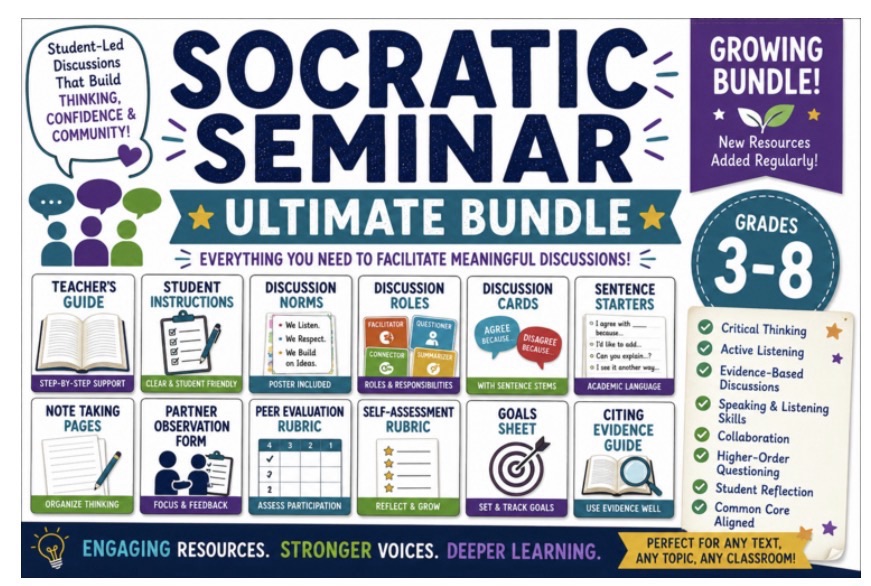
By Beth Smith, M. Ed. | #smithingifted One of the biggest shifts we can make in gifted education is surprisingly simple: Stop doing so much of the thinking for our students. Gifted students do not need a teacher standing at the front of the room explaining every idea, asking every question, and confirming every correct…
-
Socratic Seminars for 3–5th Grade Gifted Students
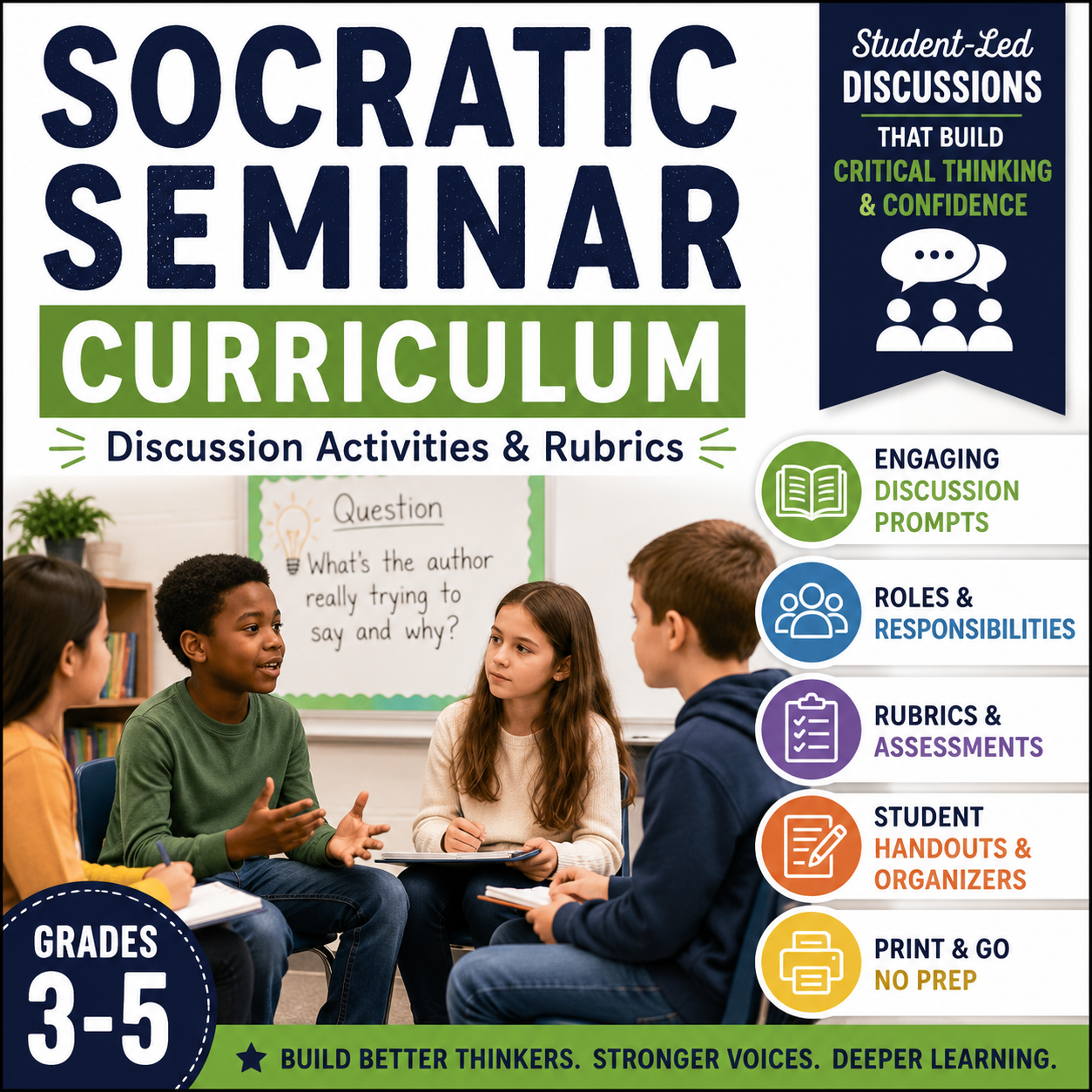
Socratic Seminars help gifted students move beyond simply finding the right answer to asking deeper questions, defending their thinking with evidence, and respectfully engaging with different perspectives. In this post, discover practical strategies for implementing meaningful Socratic Seminars in a 3rd–5th grade gifted classroom while fostering critical thinking, collaboration, communication, and student-led discussion. 📚💬✨
-
The Benefits of Google Suite in the Gifted Classroom

-
Why I Love Teaching the Hero’s Journey in Gifted Education
