computational thinking
-
Sometimes the Best Learning Is Locked: Using Breakout EDU in Grades 3–8
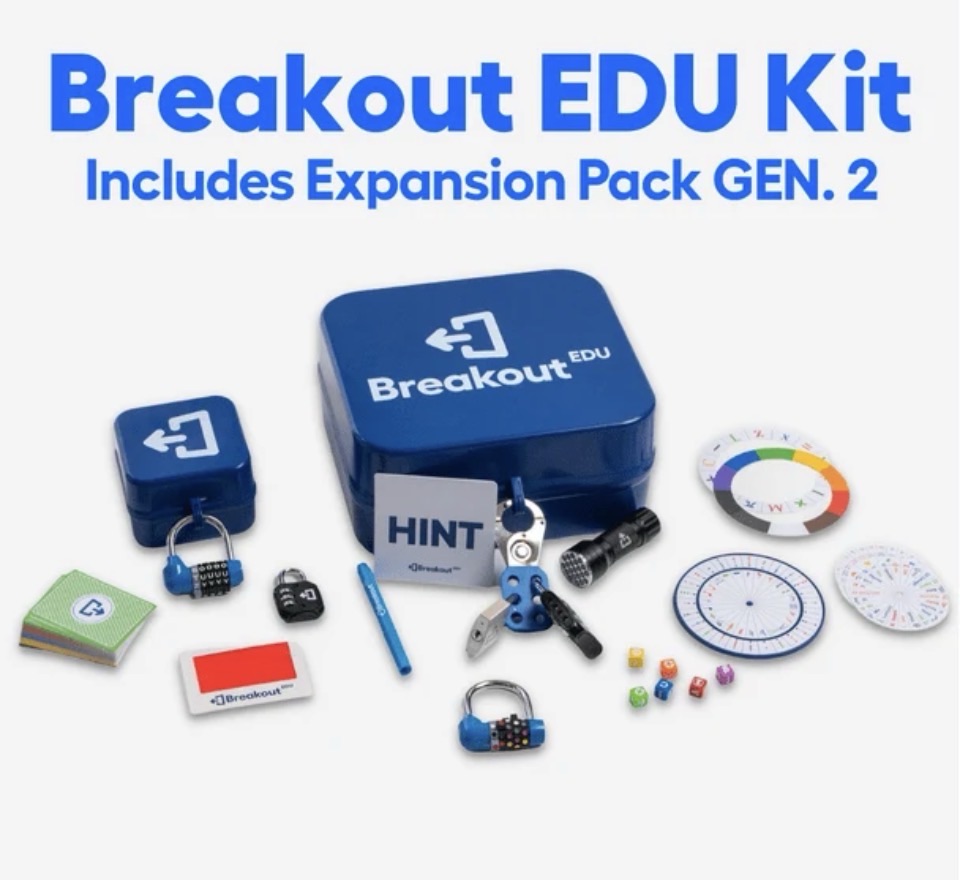
This blog post explores how Breakout EDU can transform grades 3–8 classrooms by turning academic content into engaging, collaborative problem-solving experiences. It highlights how Breakout EDU supports critical thinking, productive struggle, communication, perseverance, differentiation, and student reflection across subjects like math, reading, science, and social studies. The post also encourages teachers to move students from…
-
10 Creative Ways to Use micro:bit in Your Elementary STEM Classroom (Plus How FarmBeats Adds Real-World Rigor)

By Beth Smith, M.Ed. | #smithingifted The BBC micro:bit is one of my favorite STEM tools because it does far more than teach coding. It transforms students into engineers, scientists, inventors, and problem-solvers. But here’s something many teachers don’t realize… You can take your micro:bit lessons to the next level by pairing them with Microsoft…
-
How Socratic Seminars Turn Classroom Conversations Into Deeper Learning

Socratic Seminars help students become stronger thinkers, listeners, and communicators by encouraging evidence-based discussion, respectful disagreement, and deeper questioning. This blog explores practical ways to use Socratic Seminars across subjects and introduces the #smithingifted Socratic Seminar Ultimate Growing Bundle for grades 3–8.
-
Using Google My Maps in the Gifted Classroom: Mapping The Global Innovation Lab
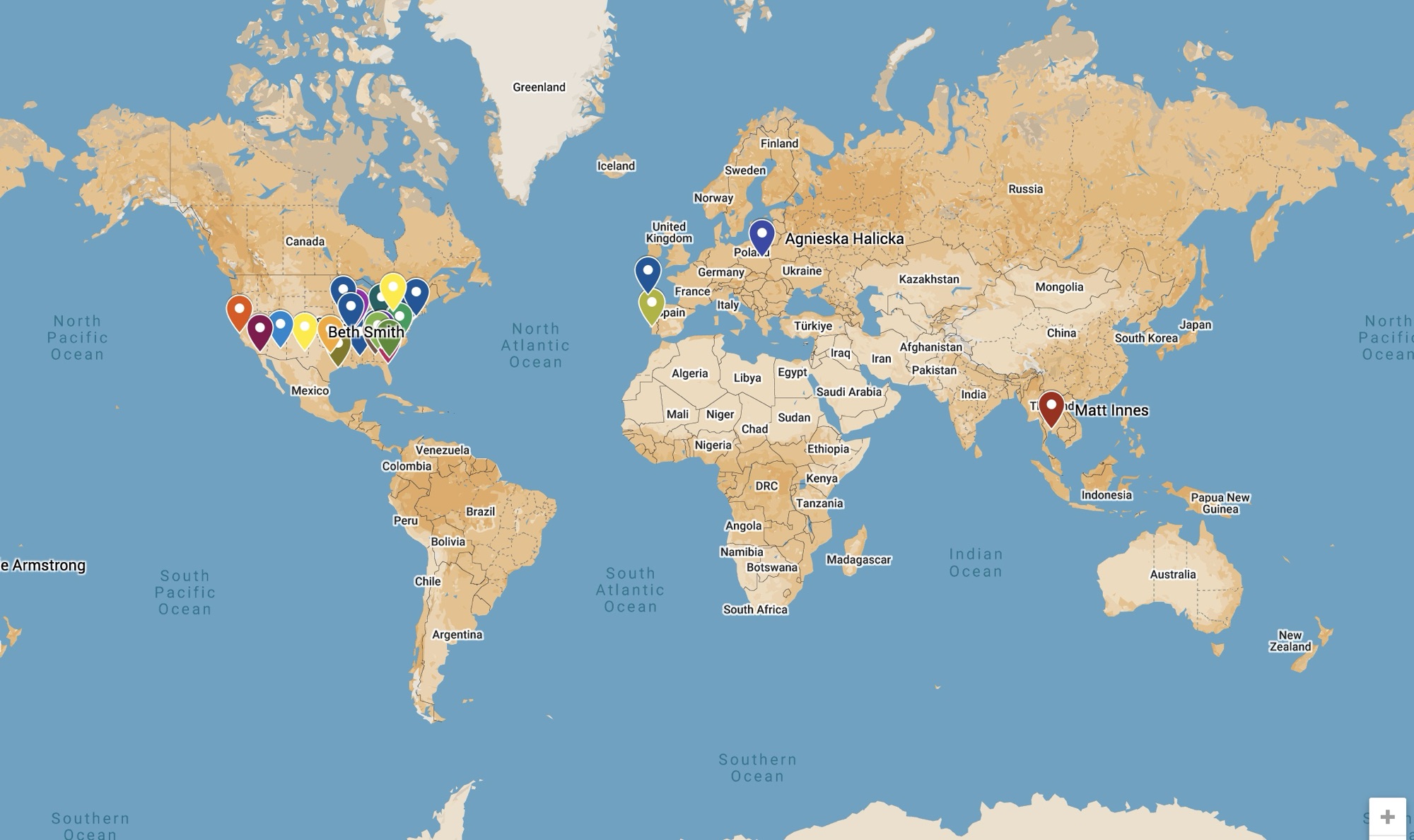
The Global Innovation Lab is growing! 🌎🚀 In this post, I share how Google My Maps is helping us connect classrooms around the world so students can collaborate on real-world challenges like water conservation. If you want your students to think bigger, create meaningful solutions, and learn alongside students from other communities and countries, I…
-
Building a Coding & Robotics Continuum for Gifted Learners 🤖💡

This blog explains how the #smithingifted Coding & Robotics Continuum organizes STEM tools into a purposeful, 3-year learning pathway for 3rd–5th grade gifted students. Instead of using coding and robotics as random activities, the continuum helps students move from introduction to developing skills to strong, independent use across four nine-week cycles each year. It highlights…
-
Adding Turing Tumble to the #smithingifted Curriculum
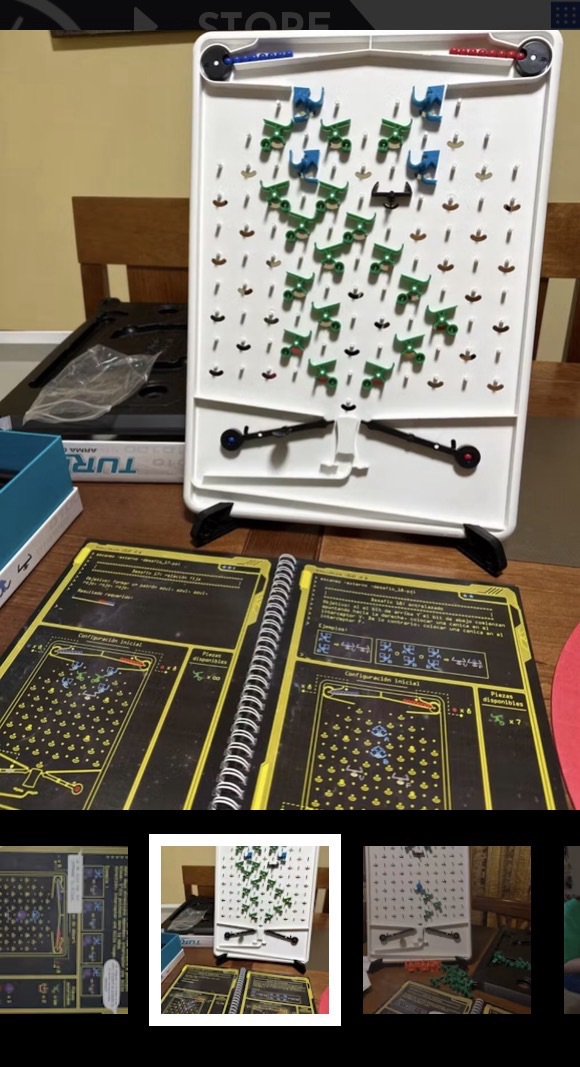
I am adding Turing Tumble to the fourth nine weeks of each year in the #smithingifted curriculum as a hands-on computational thinking milestone. Students work through twelve Google Sheets across 3rd, 4th, and 5th grade, and Turing Tumble gives them something exciting to look forward to while reinforcing logic, perseverance, debugging, and problem-solving.