Math & Problem Solving
-
#smithingifted Teacher Lab: Where Teaching Ideas Get Tested

The #smithingifted Teacher Lab is a place where teaching ideas move from theory into real classrooms. I’ll share the successes, challenges, surprises, and adjustments that come from using gifted education, STEM, robotics, technology, and creative-thinking strategies with real students. But the Teacher Lab isn’t just about my classroom—teachers who use #smithingifted curriculum can share their…
-
Why I Use the 24 Math Game in My 3rd–5th Grade Gifted Classroom
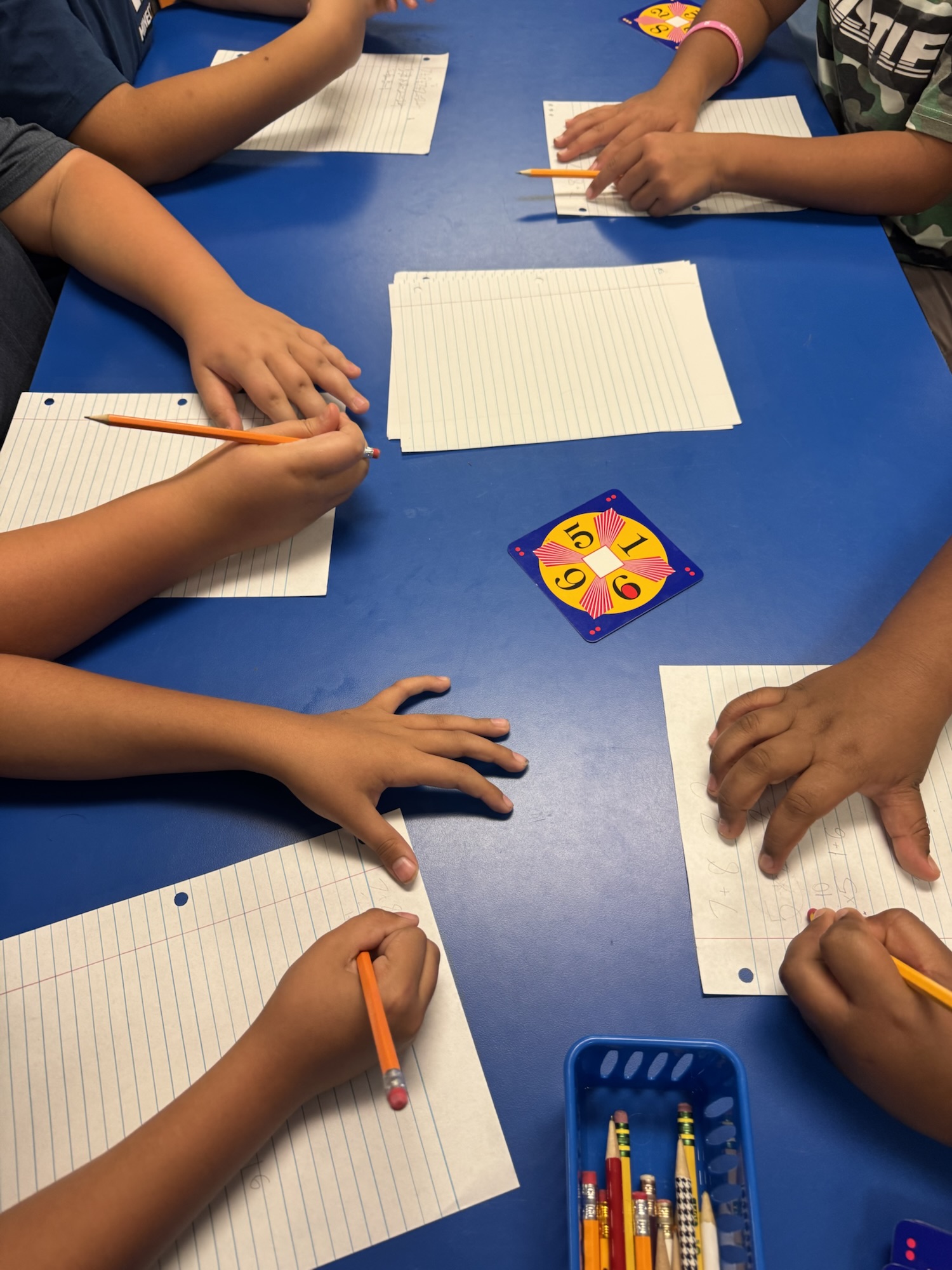
The 24 Math Game is a simple but powerful way to build number sense, flexible thinking, problem solving, and productive struggle in the 3rd–5th grade gifted classroom. Students use four numbers and different operations to make 24, but the real learning goes far beyond getting the correct answer. Students must explain and defend their reasoning…
-
Why I Start Gifted Class with the BreakoutEDU Puzzle of the Day 🔐🧠

This blog post explains how using the BreakoutEDU Puzzle of the Day at the beginning of gifted class helps students build critical thinking, problem-solving, perseverance, collaboration, and flexible thinking. These quick puzzles encourage productive struggle, curiosity, pattern recognition, and deeper reasoning while also giving teachers valuable insight into how students approach challenges. It’s a simple…
-
Why I Use Disruption Cards in My Gifted Classroom
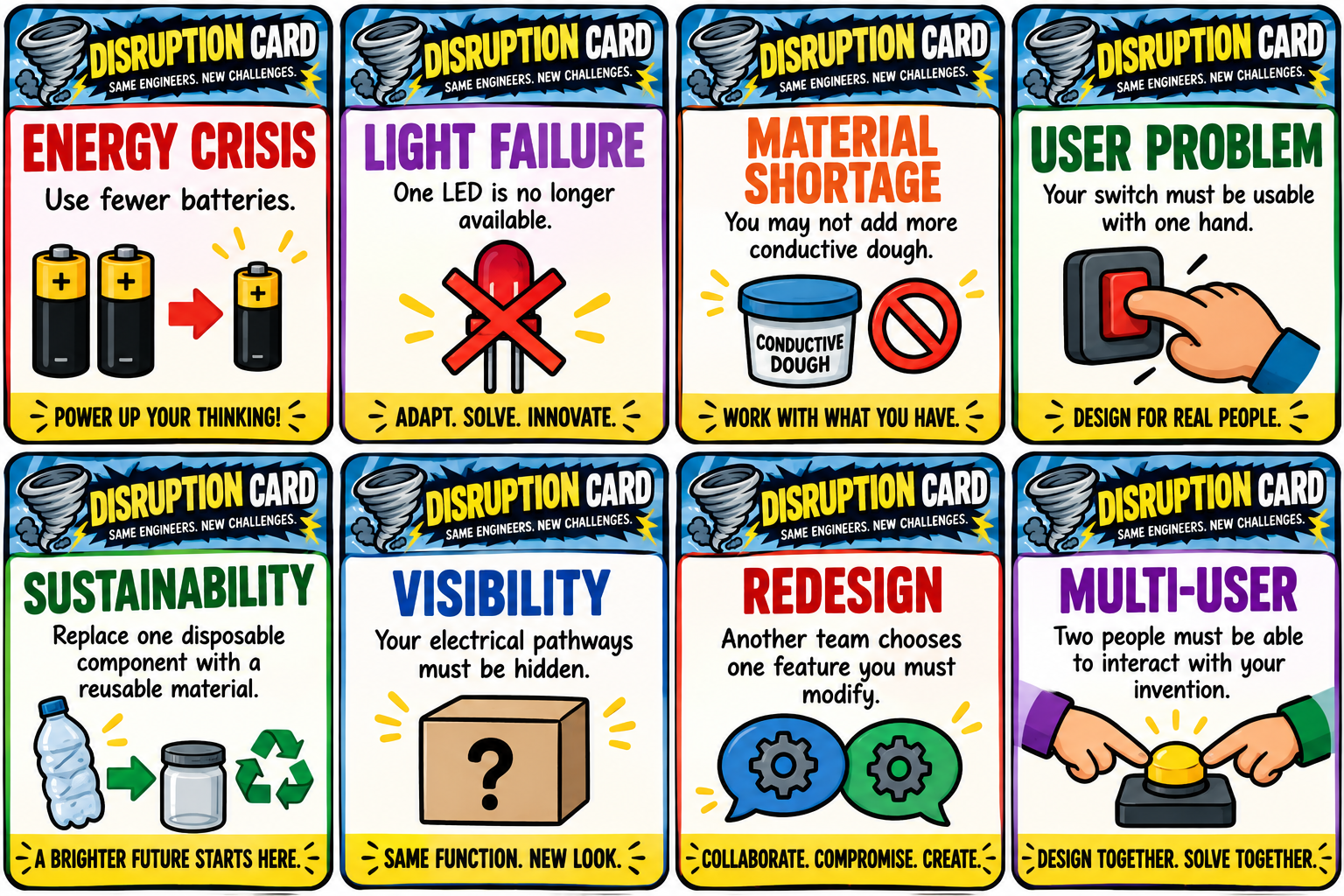
Disruption Cards add unexpected constraints to STEM challenges, pushing gifted students beyond simply “getting it right” and into deeper problem solving. By changing materials, requirements, or design conditions mid-project, students practice flexibility, perseverance, systems thinking, debugging, and evidence-based redesign. Instead of rescuing students when something goes wrong, teachers guide them with questions that encourage productive…
-
🧠 Why I Use Logic Problems With 3rd Grade Gifted Students
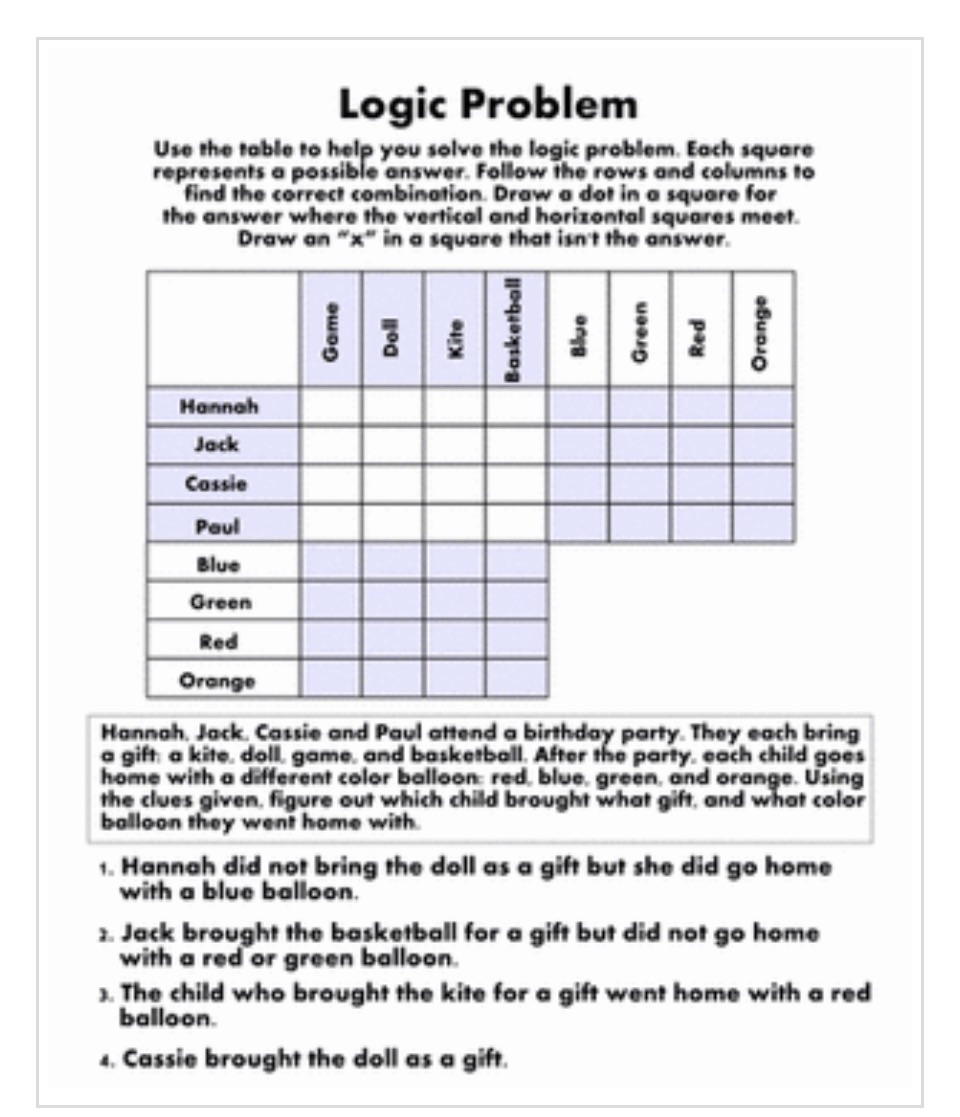
Logic problems help 3rd grade gifted students become more independent thinkers by strengthening deductive reasoning, persistence, and evidence-based thinking. Instead of waiting for the teacher to provide the next step, students learn to analyze clues, eliminate possibilities, revise their ideas, and prove their conclusions. The ultimate goal is not simply solving puzzles—it is developing confident,…
-
Making Algebra Click: Using Hands-On Equations in the 3rd–5th Grade Gifted Classroom
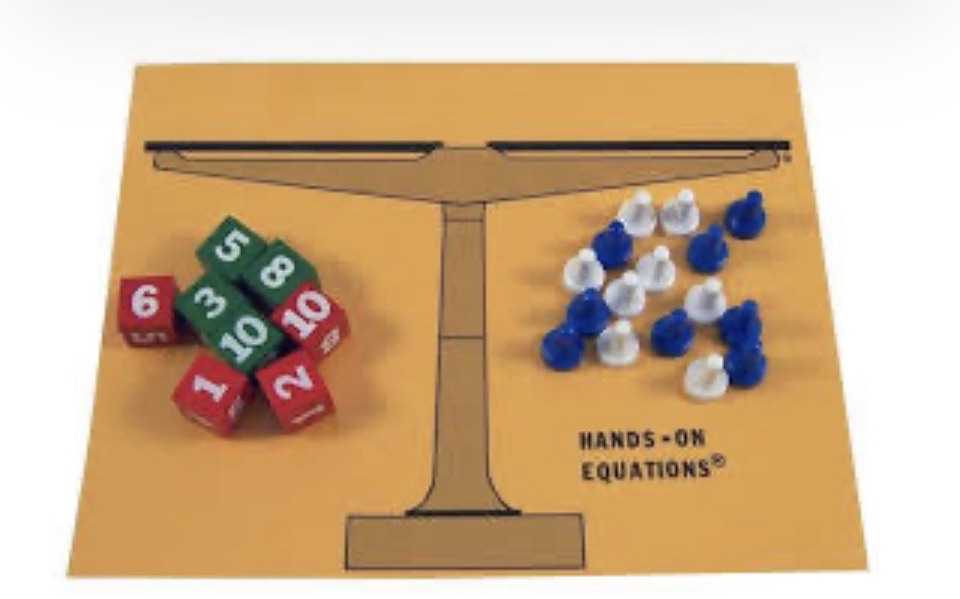
Hands-On Equations gives 3rd–5th grade gifted students a concrete, visual way to build early algebraic thinking. Through manipulatives, balance models, math talk, and self-paced challenges, students learn to solve equations, explain their reasoning, and develop confidence with complex problem-solving. It fits naturally into the #smithingifted curriculum by supporting differentiation, mastery, badges, and deeper mathematical thinking.
-
♟️Why Chess Belongs in the 3rd-5th Grade Gifted Classroom
By Beth Smith, M. Ed. | #smithingifted Chess is more than a game. In our 3rd–5th grade gifted program, chess is one of the most powerful tools we use to help students think critically, plan ahead, solve problems, and build perseverance. At first glance, students may see a chessboard, pieces, and rules. But once they…