Beth Smith, M. Ed. | #smithingifted
One of the things I love most about gifted education is that it constantly pushes me to learn something new.
Sometimes I find a tool, immediately know exactly how I want to use it, and build a full lesson around it.
Other times, I find a tool and think:
I have no idea exactly what we are going to create with this yet, but I know there is something powerful here.
That is exactly where I am with Lopaka.
Right now, I am working with Ivan Guzman and Mikhail Ilan from Lopaka to explore how this tool could fit into The Global Innovation Lab and the #smithingifted classroom. We are still figuring out what the final project will look like, but that is part of what makes this so exciting.

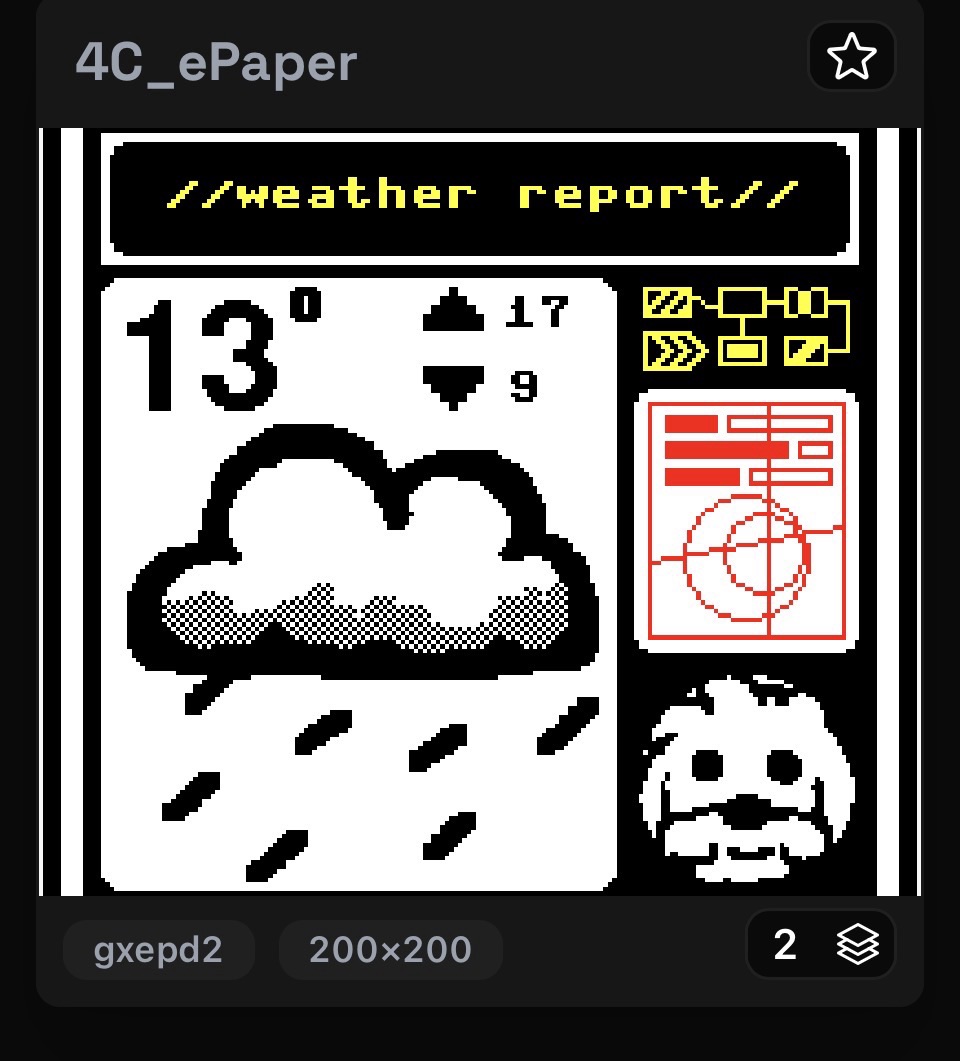
Lopaka is a browser-based graphics editor for designing embedded user interfaces and generating code for display libraries such as U8g2, TFT_eSPI, AdafruitGFX, LVGL, and ESPHome. In simpler classroom language, it helps users create graphics or screens that can be used with small electronic displays and coding projects. (Lopaka.app)
For a gifted classroom built around STEM, robotics, coding, creativity, and real-world problem solving, that opens up some really interesting possibilities.
Why Lopaka Caught My Attention
In #smithingifted, I want students to move beyond simply using technology.
I want them to understand how technology is designed.
I want them to create with it, test ideas, revise their work, and see how code, graphics, hardware, and user experience can all work together.

Lopaka caught my attention because it connects visual design with coding and electronics. According to Lopaka’s GitHub page, the tool is designed for creating graphics for platforms such as Arduino, ESP32, Flipper Zero, and several embedded display libraries. It also generates code students or makers can use in projects. (GitHub)
That means students are not just drawing something pretty on a screen. They can begin thinking about how a design becomes part of a working technology project.
That is a powerful shift.
What Does This Mean for Gifted Students?
Gifted students need opportunities to wrestle with tools that are open-ended, creative, and challenging. They do not always need a worksheet with one correct answer. Sometimes they need a problem, a tool, a purpose, and space to figure things out.
Lopaka has the potential to support that kind of learning.
Students could use it to design:
- A tiny display for a water conservation device
- A screen for a sensor-based STEM project
- A simple user interface for a robotics challenge
- Icons or graphics for a microcontroller project
- A visual alert system for environmental data
- A prototype screen for an invention
- A display connected to The Global Innovation Lab challenge
For our first Global Innovation Lab challenge on water conservation, students might eventually design a small display that shows water usage, conservation tips, sensor data, or a warning message when water levels are too low.
Will that be exactly what we create? I am not sure yet.
But that is the beauty of innovation.
We are exploring the possibilities.
Why I Am Comfortable Not Having the Final Answer Yet
As teachers, we sometimes feel like we need to know every step before we introduce something new.
But in gifted education, I think it is important for students to see that adults are learners too.
Real innovation does not always begin with a perfect plan. It often begins with curiosity.
Right now, my work with Ivan Guzman and Mikhail Ilan is helping me better understand what Lopaka can do and how it might support students in grades 3–5. I am asking questions, thinking through classroom possibilities, and imagining how this tool could help students connect design, coding, robotics, and real-world problem solving.
That process matters.
It models exactly what I want my students to do:
- Ask questions
- Explore unfamiliar tools
- Try something new
- Make connections
- Revise ideas
- Create something meaningful
Connecting Lopaka to The Global Innovation Lab
The Global Innovation Lab is about helping students collaborate across communities and countries to solve real-world challenges through innovation, creativity, STEM, and design thinking.
Lopaka could become one of the tools students use to make their ideas more tangible.
For example, if students are working on water conservation, they could design a display for:
- A smart water monitor
- A soil moisture sensor
- A rainwater collection system
- A classroom conservation tracker
- A prototype invention
- A public awareness device
- A “save water” reminder screen
- A global water data dashboard concept
Even if students are not ready to code the entire device independently, they can still begin thinking like designers and engineers.
They can ask:
- What information does the user need to see?
- What message should the screen communicate?
- How can design make a device easier to understand?
- What symbols or icons would make sense globally?
- How can a small screen help solve a big problem?
Those are the kinds of questions that stretch gifted learners.
Why This Fits #smithingifted
The heart of #smithingifted is creative, rigorous, real-world learning.
That means I am always looking for tools that allow students to do more than complete an assignment. I want them to build, design, code, test, present, and reflect.
Lopaka fits into that vision because it can connect several important skills:
- STEM
- Coding
- Robotics
- Design thinking
- Digital design
- Engineering
- Problem solving
- Creativity
- Innovation
- Real-world application
It also gives students a chance to see that technology products do not appear magically. Someone has to design the screen. Someone has to decide what information matters. Someone has to connect the design to the code. Someone has to test whether the user can actually understand it.
That “someone” can be a student.
Possible Classroom Project Ideas
As I continue learning more about Lopaka, I am already thinking about how it could support 3rd–5th grade gifted projects.
Here are a few possibilities:
1. Water Conservation Display
Students design a small screen that could be used on a water-saving device. The display might show water levels, usage reminders, or conservation tips.
2. Smart Garden Monitor
Students create a prototype screen for a soil moisture sensor or hydroponics system. The display could show whether a plant needs water.
3. Robotics Mission Screen
Students design a screen for a robot mission, such as “Start,” “Warning,” “Mission Complete,” or “Collecting Data.”
4. Global Innovation Lab Badge Display
Students create digital badge graphics or simple display screens connected to challenge progress.
5. Environmental Alert System
Students design a visual alert for drought, flooding, pollution, or water waste.
6. Invention Prototype Interface
Students create a screen for an invention they design during a STEM or design thinking challenge.
Each of these ideas would allow students to combine creativity with technical thinking.
This Is the Kind of Learning Gifted Students Need
Gifted students need learning experiences that are challenging, purposeful, and open-ended.
They need to see that real-world problem solving includes uncertainty.
They need chances to use tools that professionals and makers use.
They need projects where creativity and logic work together.
Lopaka may become one of those tools in my classroom.
I am still learning what it can do, and I am excited to see where this collaboration leads.
The Big Picture
Working with Ivan Guzman and Mikhail Ilan from Lopaka is giving me a chance to explore something new for The Global Innovation Lab and #smithingifted.
I do not have the final product yet.
I do not have every lesson written yet.
I do not know exactly what we are going to create.
But I do know this:
There is something exciting about giving students a tool that connects design, coding, electronics, and real-world problem solving.
There is something powerful about letting gifted learners step into the role of designer, engineer, coder, and innovator.
And there is something very #smithingifted about saying:
Let’s figure this out, create something meaningful, and see where the idea takes us.
That is where innovation begins.

